
Tag Archives: Constantin Tsakas

World Health Day: FEMISE initiative to face COVID-19 in the Mediterranean

The coronavirus crisis threatens our health and, as a result, it also hurts our societies and our economies. But it offers us an opportunity to rethink our priorities and systems, to make them sustainable, inclusive, in line with the SDGs.

FEMISE contacted its researchers and partners but also young people from the Mediterranean, to remind everyone why investing in Health should be a priority. Protecting vulnerable populations who do not have access to medical care, ensuring better access to health information in countries where internet access remains limited, supporting the work done by women in the health sector, betting on education and human capital…

The Mediterraneans mobilized by FEMISE share their views in the above video.

with : Constantin Tsakas, Mohammad Abu-Zaineh, Leila Berrada Mnimene, Mariam Fadel, Raphaël Colombier, Karine Moukaddem, Myriam Ben Saad, Jamal Bouoiyour
FEMISE celebrates the World Day of Social Justice

For FEMISE, pursuit of social justice is at the core of its mission for inclusive development in the Mediterranean and Africa. The recent publication of the FEMISE EuroMed report on the opportunities of Social Entrepreneurship for sustainable development in the region is just one recent example of this commitment.

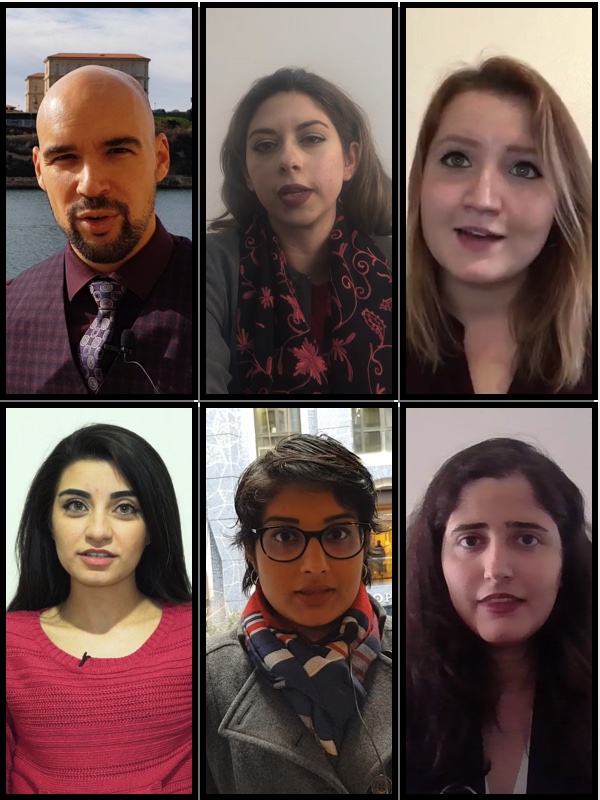
In the video below created for this day, FEMISE mobilized researchers, young people and partners of the network to discover their views and actions for Social Justice.

Yasmine Fahim (ERF Programs Manager) stresses how the Economic Research Forum (ERF), a leading think-tank in the MENA region and co-coordinator of FEMISE, has always paid special attention to the issues of Equity and Inequality in the MENA region. First by creating the data infrastructure that would enable researchers to conduct the research. Then, by carrying out multiple research projects on issues such as inequality of opportunities, access to health, education and the labour market and many more. Finally, ERF is producing capacity building initiatives and has invested a lot in enhancing the research capacity in this area, most notably by organizing training workshops where researchers from around the region are taught the most up-to-date research methodologies.

For Tallie Hausser (SciencesPo., Columbia University), her experience as a researcher in Lebanon and Tunisia has been eye-opening in that she has interacted with social justice activists found in unexpected places. The co-author of a recent FEMISE Policy Brief on the potential of Social Entrepreneurship highlights how in Lebanon, actors are creating job opportunities for Palestinian and Syrian women despite legal barriers, or working to solve local waste management crises through impact investing. In Tunisia, social justice activists use innovative financial models to engage the youth in skills development.

Constantin Tsakas, Yasmine Fahim, Tallie Hausser, Gwenda Haïkal, Ameerah Anathalee, Julie Harb

Others such as Ameerah Anathalee (University of Oxford) chose to explore the barriers women leaders face in developing countries. Drawing from data collected during interviews with women leaders in Uganda, she argues that some specific measures issued from western studies can have adverse effects on women’s leadership in developing countries. Furthermore, bottom-up solutions, which are tailored to the country’s socio-economic context, are essential. She adds that far more cross-disciplinary research is needed to inform how we seek to ensure women have a voice in all sectors, particularly in the Water, Sanitation and Hygiene sector, where women play a pivotal role.

Meanwhile, Julie Harb (Université de Montréal) stresses the importance of promoting the rights of migrants in the region. Focusing on the case of Lebanon, she argues that their labour rights are not optimal, with a sponsorship system (kafala in Arabic) in which the legal status of a migrant depends on a sponsor (kafeel) for the entirety of their stay, making them vulnerable. The rights of youth also need to be better protected. With the current economic and financial situation, the country is witnessing a ‘brain drain” with the rise of migration among youth, with those aged below 20 years representing 46% of emigrants.

Such urgency to act for the youth is shared by Gwenda Haikal (CIFE) whose thesis subject focuses specifically on Street Children. She states that nowadays 30% of the population in Lebanon lives under the poverty while 5% panels 90% of the country’s wealth, this social inequality pushes minor children to go on the streets and work instead of following an educational path. She stresses that above all things, education is a golden key. Investing in these kids future is investing in the future of the country and region.

In their final statements, all actors converge towards a single conclusion : that it is up to all of us to act and make sure leaders, businesses and communities in the region truly fulfill their role for social justice.
 

Article by Constantin Tsakas

FEMISE in the top100 “Think-Tank networks” for a second consecutive year !

The FEMISE team is pleased to share that, for a second consecutive year, FEMISE is ranked among the 100 “best Think-Tank networks” according to the “Global Go To Think Tank Index” of the University of Pennsylvania (TTCSP), available here !
The “Go To Think Tank” is the result of an international survey of over 1,950 scholars, public and private donors, policy makers, and journalists who helped rank more than 6,500 think tanks using a set of 18 criteria developed by the TTCSP.


Meanwhile, two FEMISE reports have been included in the list of “Best Policy Study-Reports Produced by a Think Tank“, they are :

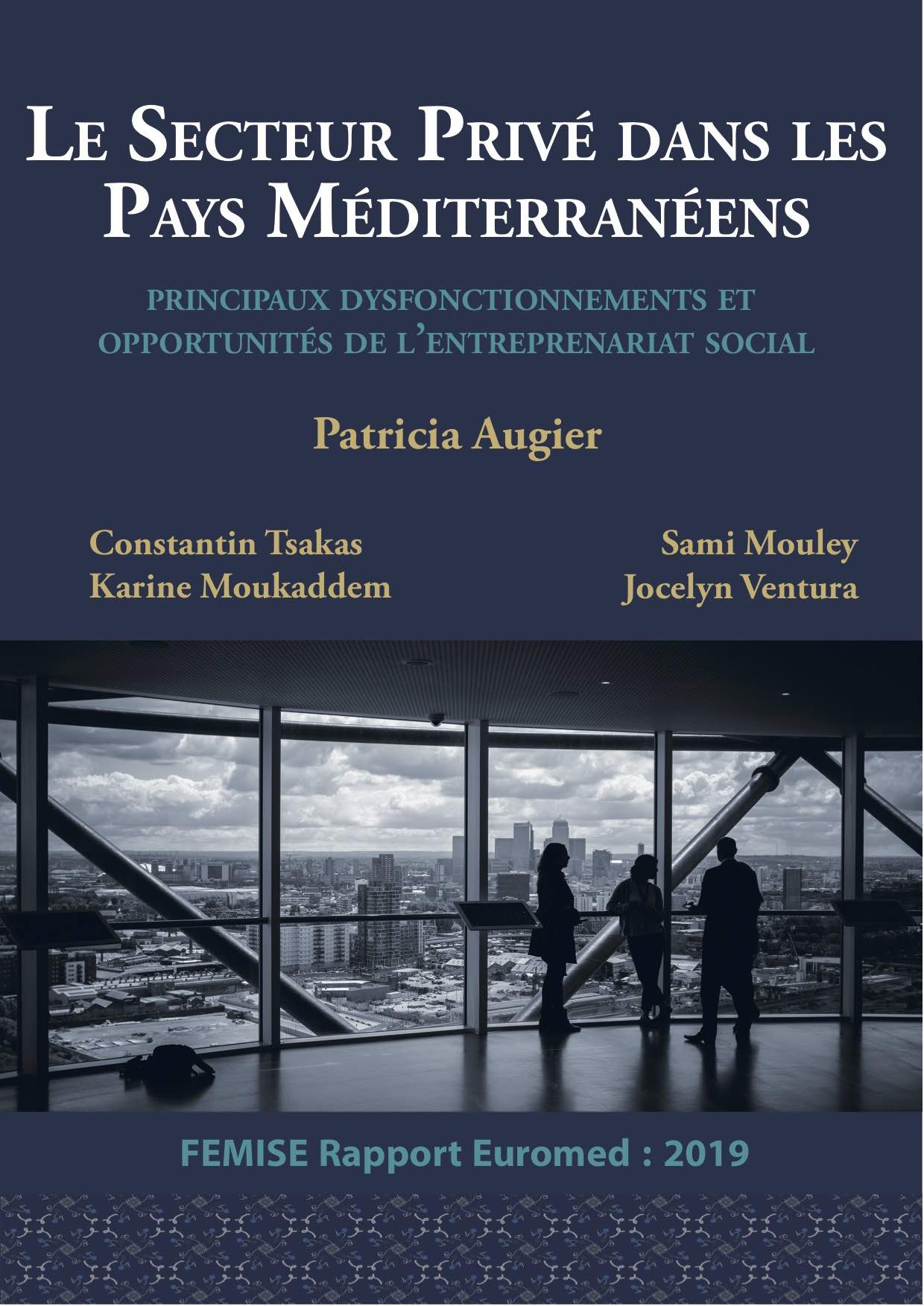
–  Private sector in the Mediterranean countries: Main dysfunctions and opportunities of social Entrepreneurship (2019),

by Pr. Patricia Augier, Dr. Constantin Tsakas, Pr. Sami Mouley, Karine Moukaddem, Jocelyn Ventura.


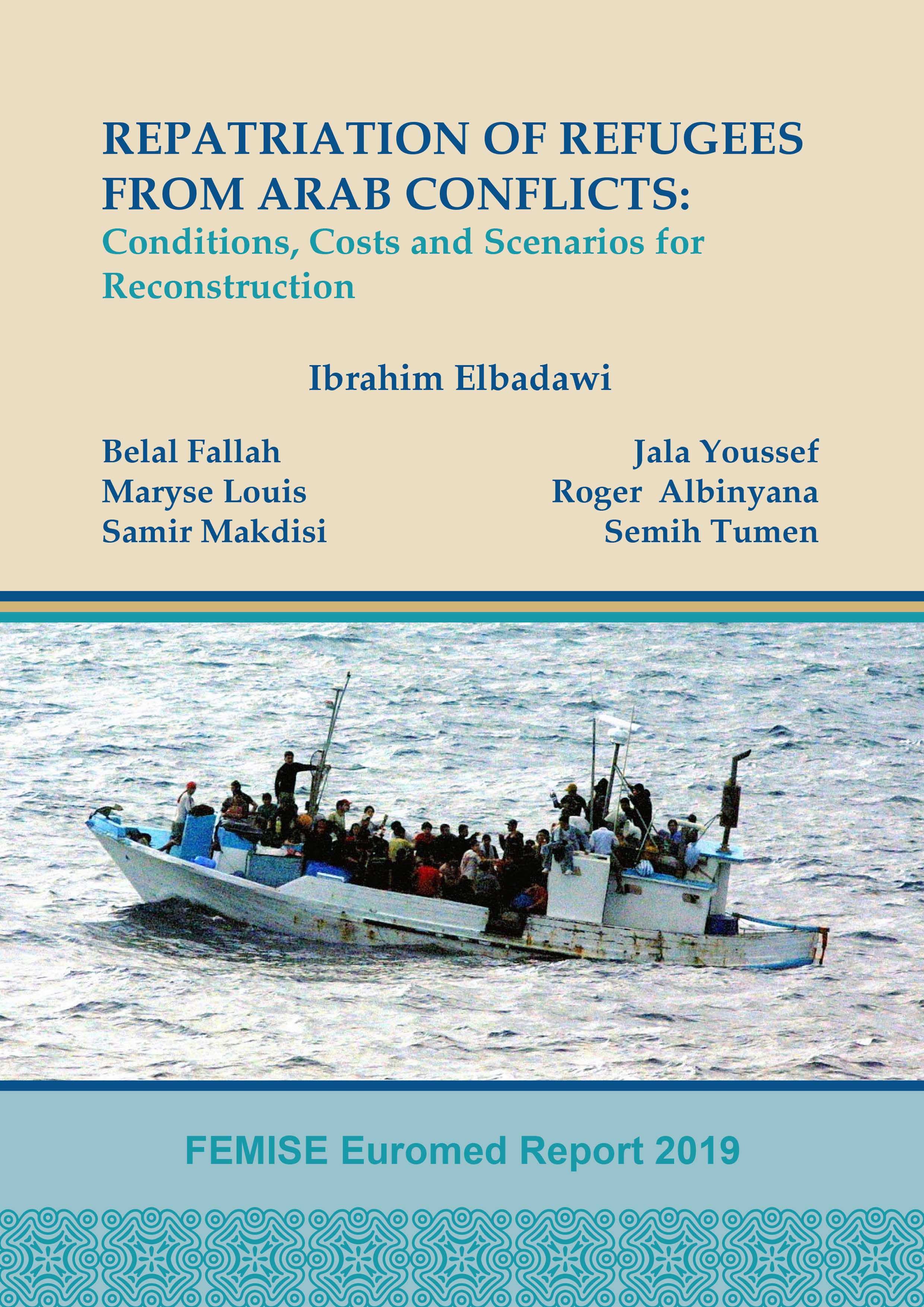
Repatriation of Refugees from Arab Conflicts: Conditions, Costs and Scenarios for Reconstruction (2019),

by Dr. Ibrahim Elbadawi, Dr. Samir Makidisi, Dr. Semih Tumen, Dr. Belal Fallah, Dr. Roger Albinyana, Dr. Maryse Louis, Ms. Jala Emad Youssef.


FEMISE, with more than 105 members’ institutes, will continue producing high quality policy-oriented economic research, to have a real impact in the Mediterranean region.

Mediterranean: FEMISE shines a spotlight on Women and Young “Change Makers” 1/2

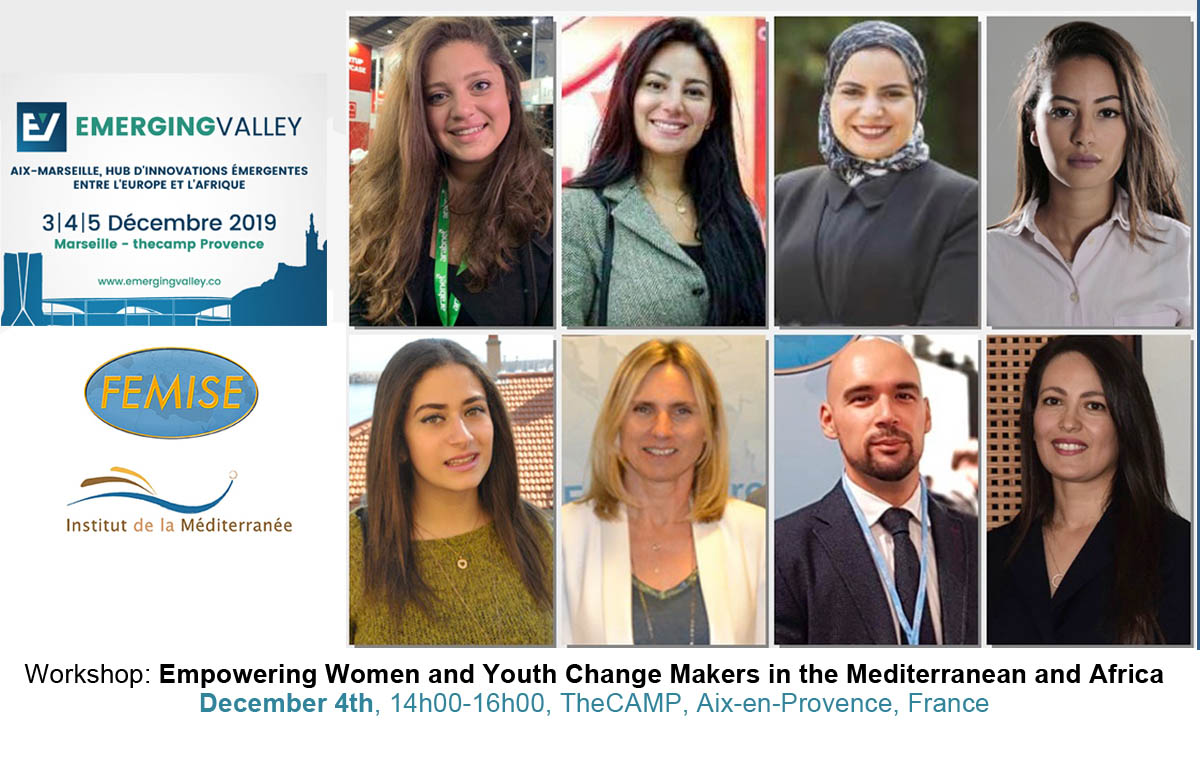
On the occasion of the Emerging Valley summit, which was held on December 3-5 in Aix en Provence (France), FEMISE and Institut de la Méditerranée organized a workshop on women and young “Change Makers” in the Mediterranean region. Ecomnews Med was there and below are our highlights.

Jordan, Lebanon, Morocco, Palestine, Tunisia, Egypt… Delegations came from all around the Mediterranean for this day. Women and young people, often both at the same time, were there to “exchange experiences” as notes Layla Al Qassim, who came from Amman for the occasion. First a reflection, drawn up by the Secretary General of FEMISE Dr. Constantin Tsakas “We observe inequalities on all fronts in the Mediterranean, however we also find that there are many women and young people who are carriers of real solutions”.

In line with what the Think Tank has been offering for several years now, FEMISE thus traveled to the Mediterranean countries to “identify Change Makers“, adds Dr Tsakas. The objective is to be present in the field to propose concrete solutions, to carry out Research-Action which promotes good practices while offering relevant recommendations. Evidently, in the image of the Med briefs produced by FEMISE, it is a question of proposing findings, ideas, reflections, which could be used for political decision-making for more inclusiveness in the Mediterranean.

Constantin Tsakas, Patricia Augier, Layla Al-Qasim, Karine Moukaddem, A’Laa Chbaro, Samah Ben Dhia, Hajar Khamlichi, Chiraz Karoui

“We need research that caters to the needs of populations”

During the numerous FEMISE trips, the Secretary General admits having met “many women who are carriers of solutions. These women and young people direct, support and finance projects that have a considerable economic and social impact on their communities, regions and industries. ” This is also where the idea for this workshop was born. The Think tank wants to put the spotlight on these different women “because we believe in success stories a lot” abounds Dr Tsakas. Layla Al Qassim for example (see video above) was able to discuss the various progresses made within the Landmark Hotels chain of hotels in Jordan, for which she is responsible for strategic engagement and sustainability projects, such as “the establishment of a free nursery accessible to all employees“.

An idea already in place in several American or Scandinavian companies, and which benefits employees and employers. The former have less distance to travel to drop off the children and are less stressed. The latter benefit from higher productivity, since the employee is less under pressure.

But it is above all a concrete and quickly applicable idea as “we need research close to the expectations of the population” underlines Karine Moukaddem, junior researcher at Beyond Reform and Development and political analyst attached to FEMISE. The Mediterranean sustainable development expert is convinced of this, research close to expectations allows “political actions that are close to the realities of the population“.

This observation is shared by A’Laa Chbaro, who also underlines the need to restore ambition in Mediterranean women and give them the confidence to get started. Skills development and knowledge sharing are key factors that the young 23-year-old entrepreneur, director of the MENA branch of the international association Impact the world, seeks to develop.

The workshop ultimately helped to build bridges and decompartmentalize worlds, as often with FEMISE, between research and application on the ground, because it is well known after all, experience and science always progress together.

In a second part of this article, we will focus on the speakers at the IM / FEMISE workshop who support initiatives led by women and young people in other fields, such as in environmental awareness and in the media.

by Sami Bouzid, 

Article produced in partnership with EcomNews Med.

Find all the information from the Mediterranean think tank by clicking here.

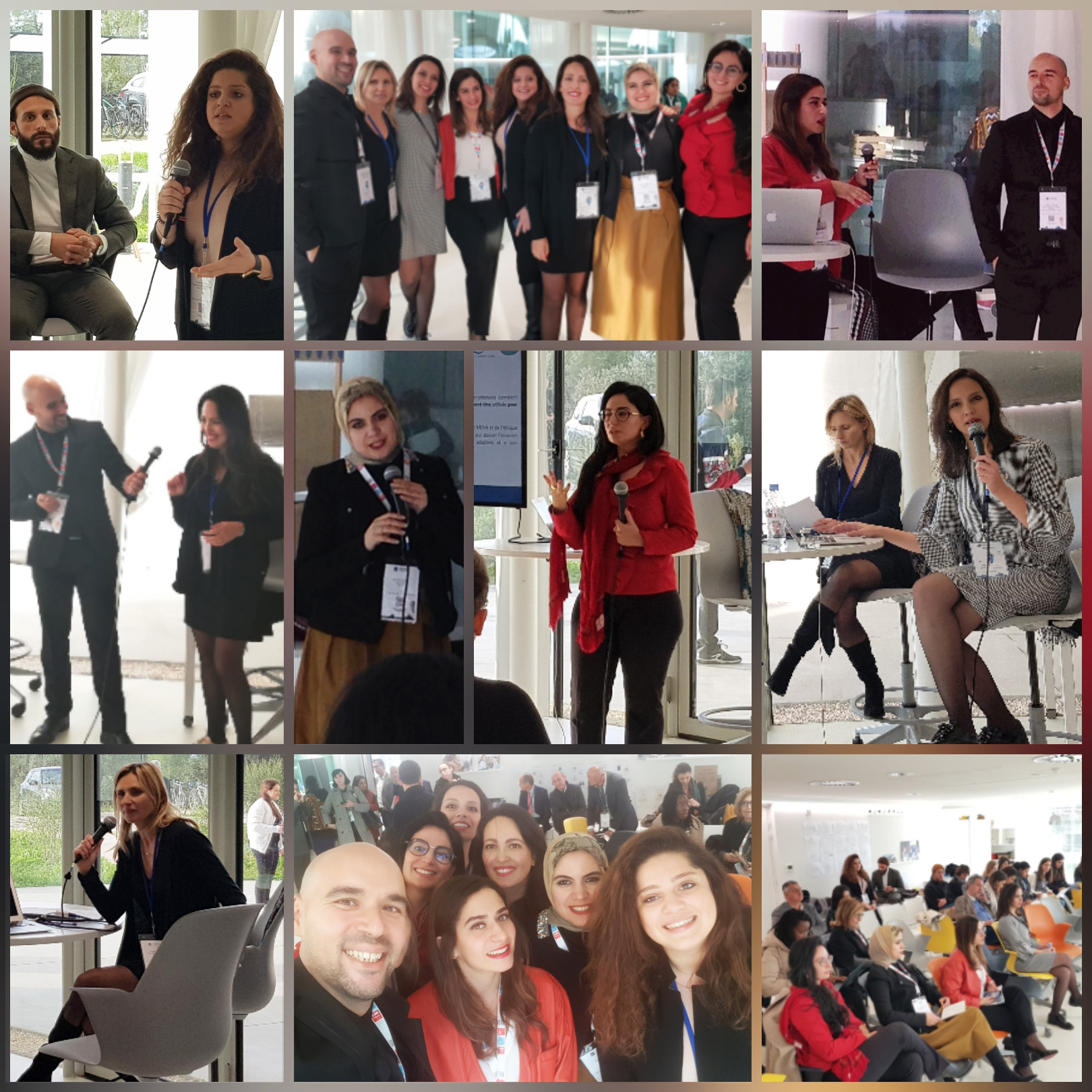
Moments from the IM/FEMISE workshop at EV2019 :Empowering Women and Youth Leaders in the Mediterranean and Africa (Dec 4th, TheCamp, Aix-en-Pce)

Gender Equality: FEMISE signs Altafemina’s Charter of Performing Diversity

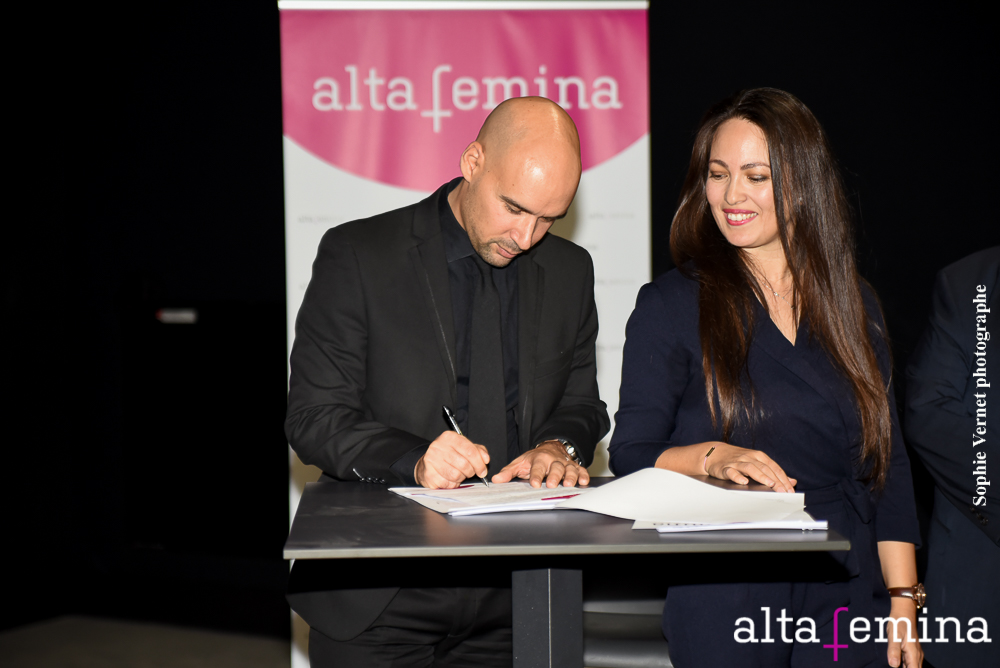
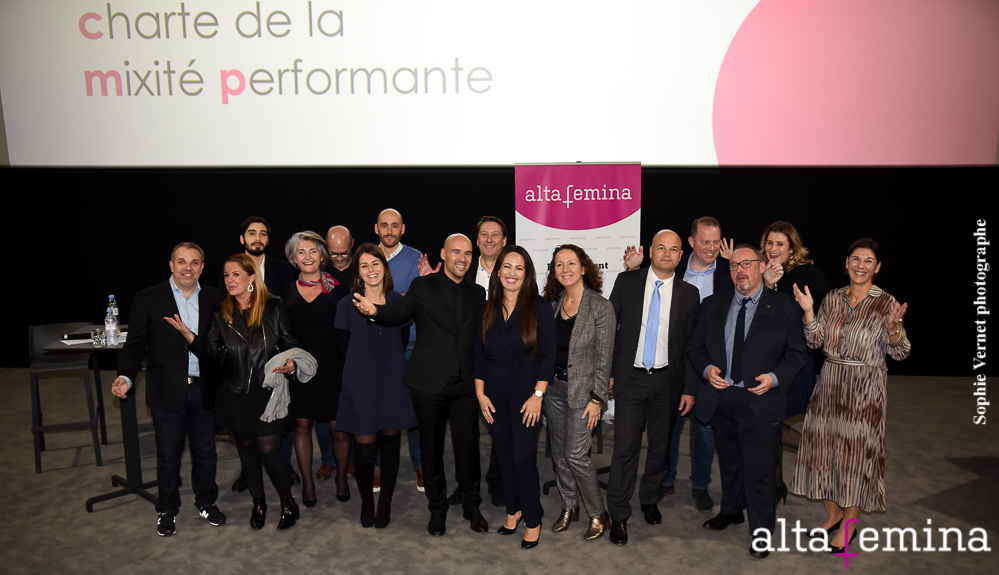
FEMISE was invited to the Altafemina Festival (November 26th, EuropaCorp Cinema, La Joliette, Marseille, France) and was honored to sign the Altafemina Charter of Performing Diversity. This charter values organizations (companies, associations, institutions) that engage and act concretely for diversity both during their events and in their governing bodies.

Constantin Tsakas (FEMISE, IM) & Samah Ben Dhia (Altafemina)

After a brief presentation of the activities of FEMISE, Dr. Constantin Tsakas (Secretary General of FEMISE, General Manager of Institut de la Méditerranée) emphasized that the signing of this charter is a first step to raise more awareness in the South of the Mediterranean on the question of gender diversity. FEMISE research has shown that women-owned businesses can even illustrate higher labor productivity. Nevertheless, Southern Mediterranean countries* are characterized by extremely low female participation rates. This rate is 29% on average and the gap with other regions in the world is considerable.

Thanking Altafemina for this honor, Dr Tsakas added that gender diversity is a strength for FEMISE, the administrative team is made up of both men and women, and more than 70% of the young “ChangeMakers” of FEMISE researchers are women. Above all, they are competent and dynamic people, regardless of their gender.

Dr. Tsakas also presented the activities of FEMISE that contribute to a culture of diversity and gender equality in the Mediterranean. Among them, he highlighted the recent partnership with Emerging Valley, in which FEMISE will mobilize young Mediterranean women who lead, support and / or finance projects with significant economic and social impact in their communities, societies and industries. More activities, including awareness-raising videos as part of a partnership with Altafemina, are expected in the following months.


FEMISE is a Think-Tank, a network of research institutes in economics, which produces research reports for policymakers on both sides of the Mediterranean. The network mobilizes more than 100 university centers from all over the Mediterranean on 4 thematic axes: Trade Integration, Private Sector Development and Innovation, Environmental Awareness and Development of new inclusive and sustainable growth models. The results of this research are disseminated through platforms that foster dialogue and policy debate among stakeholders, which include researchers, the international community and policy makers.

* Algeria, Egypt, Israel, Jordan, Lebanon, Morocco, Tunisia, Turkey, Palestinian Territories

EV2019 workshop: Empowering Women and Youth Leaders in the Mediterranean and Africa (Dec 4th, TheCamp, Aix-en-Pce)

Mediterranean social and economic development can only be achieved through a partnership that ensures full participation of #women and youth.

FEMISE and Institut de la Méditerranée (IM) participate at the latest edition of Emerging Valley, the Emerging Innovations Hub between Europe and Africa, a unique occasion to explore emerging ecosystems and connect with African tech leaders !

Want to learn more about Social and Economic Innovations in the Mediterranean ? Join our #EV2019 workshop “Social Change Makers, Act 2 : Empowering Women and Youth Leaders in the Mediterranean and Africa” (December 4th, 14h-16h, TheCamp, Aix-en-Provence, France) !

Register by clicking here, then in the second page (sessions) please click on our workshop (4-December, 14h-16h) entitled “WORKSHOP Empowering Women and Youth Change Makers in the Mediterranean and Africa”

The Concept Note and the Programme of the IM-FEMISE workshop are available by clicking here.

Come discover the testimonies of these women and young “Change Makers” who shine with their innovative spirit in the Mediterranean! Among the speakers at the IM-FEMISE workshop:

  • Samah Ben Dhia, President AltaFemina (Tunisia-France)
  • A’Laa Chbaro, ImpACT the World (Social Business) and WonderAid (all MENA region, Lebanon)
  • Chaymae Samir, fondatrice du cabinet CS International, Founder and CEO of SUNDAY IVY (Morocco, UK)
  • Layla Al Qasim, Landmark Hotels Company and 17 Asset Management (Jordan)
  • Hajar Khamlichi, President Mediterranean Youth Climate Network (Morocco)
  • Patricia Augier, Coordinator and President of Scientific Committee, IM-FEMISE (France)
  • Constantin Tsakas, General Manager of IM, General Secretary of FEMISE (France, Greece)
  • Chiraz Karoui, European Investment Bank analyst, Women Empowerment expert (Tunisia)
  • Menna Rabie, Consultant Rainmaking, former Innovation and Entrepreneurship Program Lead at Bedaya (Egypt)
  • Karine Moukaddem, Sustainable Development expert, co-organizer of Union for the Mediterraneans’ (UfM) Youth Strategy at the University for Youth and Development of North-South Center of Council of Europe.
  • Hatoumata Magassa, Bond’INNOV (France/Mali)

For a look back at the IM-FEMISE workshop “Discovering Social Change Makers” during the previous edition of EmergingValley (2018), check out the video report below.

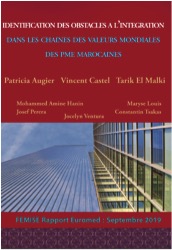
EuroMed Report: Identification of barriers to the integration of Moroccan SMEs in global value chains

The new EuroMed Report (September, 2019) is now available

Identification of barriers to the integration of Moroccan SMEs in global value chains [1]

The report is available for download here.


The purpose of this report is to identify the obstacles to the integration of Moroccan SMEs into global value chains. This new report is a continuation of the previous one because it again deals with issues that concern the private sector. However, this time it offers a more detailed analysis by targeting a specific problem, the integration of Small and Medium Enterprises (SMEs) in global value chains, in the case of one country in particular, Morocco.

This choice enabled us (i) to carry out an in-depth analysis on a given problem, (ii) to work in close collaboration with a Moroccan institution (ISCAE) and with the African Development Bank (AfDB) office in Rabat and (iii) to enhance our report with case studies of Moroccan SMEs and with a series of interviews and working meetings with representatives of business associations and heads of national organizations concerned with the issue. Before the finalization of the economic policy recommendations, this study was also the subject of a workshop organized in Rabat in the presence of decision makers, entrepreneurs and senior civil servants.

The report was coordinated by:

  • Patricia AUGIER (President of the Scientific Committee of FEMISE and of Institut de la Méditerranée),
  • Vincent CASTEL (Chief Country Economist – Morocco at the African Development Bank – AfDB) and
  • Tarik EL MALKI (Professor of Management and Corporate Social Responsibility at ISCAE).

It benefited from contributions by:

  • Mohammed Amine HANIN (Financial Auditor at EY),
  • Maryse LOUIS (General Manager of FEMISE),
  • Josef PERERA (Political Economist and FEMISE Researcher),
  • Constantin TSAKAS (General Secretary of FEMISE and General Manager of Institut de la Méditerranée) and
  • Jocelyn VENTURA (Political Economist at Institut de la Méditerranée / FEMISE).

The Euromed report is an annual publication of FEMISE which deals with topics of importance and interest for the Euro-Med region. The report brings a real added value in terms of knowledge on the topic covered. It provides an in-depth analysis proposed by specialized economists and with a multidisciplinary approach to the North and South of the Mediterranean. This brings a common vision on both sides of the Mediterranean and political recommendations that can contribute to the transition process of the South Med countries.

[1] This report has been prepared with the financial support of the African Development Bank and of the European Union through the FEMISE project on “Support to Economic Research, Studies and Dialogues of the Euro-Mediterranean Partnership”. The content of the publication is the sole responsibility of the authors.

FEMISE MedBRIEF 23: “Developing Social Entrepreneurship and Social Innovation in the Mediterranean and Middle East”

Tallie Hausser, Constantin Tsakas and Karine Moukaddem

The FEMISE Policy Brief series MED BRIEF aspires to provide Forward Thinking for the EuroMediterranean region.The briefs contain succinct, policy-oriented analysis of relevant EuroMed issues, presenting the views of FEMISE researchers and collaborators to policy-makers.

The MED BRIEF “Developing Social Entrepreneurship and Social Innovation in the Mediterranean and Middle East “, is available here.

It is also available in Arabic by clicking here.

Summary

Our Policy Brief analyzes the social innovation ecosystems in Beirut and Tunis and discusses ways for leading to inclusive innovation that creates jobs, income and opportunities for marginalized populations, women and youth. Findings show that the lack of a legal form for social enterprises, impediments to financing and investment, scarcity of human resources for upper management and difficulties in determining the proper customer base are among the core obstacles faced by social entrepreneurs. We argue that more innovative financing mechanisms should be available for them. Educating investors in the South Med around the concept of impact measurement and impact investment would be needed. In addition, South Med governments ought to actively support social enterprises, meanwhile, corporations should be considering social procurement and including social enterprises in their supply chains. Finally, capitalizing on Euro-Med cooperation could be an inclusivity game-changer. Specifically, an EU-Med Social Impact Platform could multiply funding opportunities for South-Med entrepreneurs and provide a promising market for impact investors.

The list of FEMISE MED BRIEFS is available here.

The policy brief has been produced with the financial assistance of the European Union within the context of the FEMISE program. The contents of this document are the sole responsibility of the authors and can under no circumstances be regarded as reflecting the position of the European Union
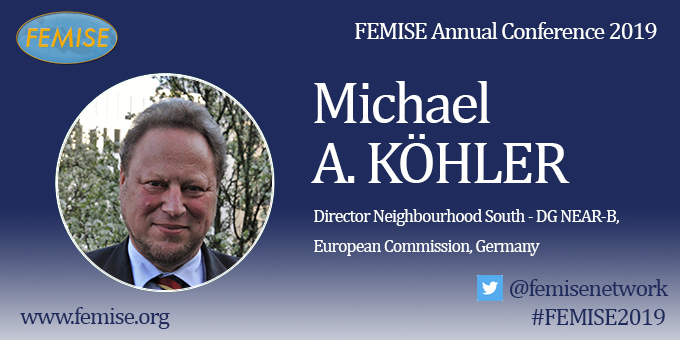
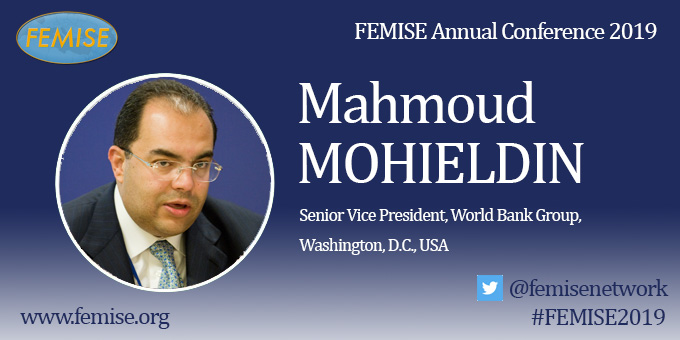
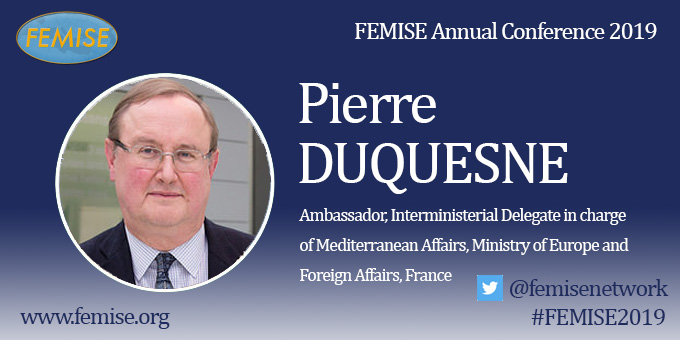
FEMISE annual conference, Brussels, Belgium, June 13th-14th 2019

(Update)

The reporting of the plenaries of the FEMISE conference is available here.

A video feedback on this flagship event of our network is available below.


– – – –


FEMISE is happy to announce that its annual conference will take place this year in Brussels, Belgium, on June 13th and 14th 2019.

Please click here to register.

This year’s theme will be on:

SUSTAINABLE DEVELOPMENT: DRAWING AN IMPACTFUL EU-MED ROADMAP

The objectives of this conference are threefold:

(1) To take stock of what the South-Med region has achieved in the past few years in terms
of sustainable development;

(2) To highlight the main challenges they are still facing; and

(3) To propose a road-map on how to move forward towards achieving sustainable
development.

The conference plenary sessions will address the FEMISE four main thematic pillars and will link
them to the SGDs, taking into account their interlinkages, offering a platform for dialogue between
the different stakeholders.

The concept note is available by clicking here.

The conference agenda is available by clicking here.

All the participants bios are available by clicking here.

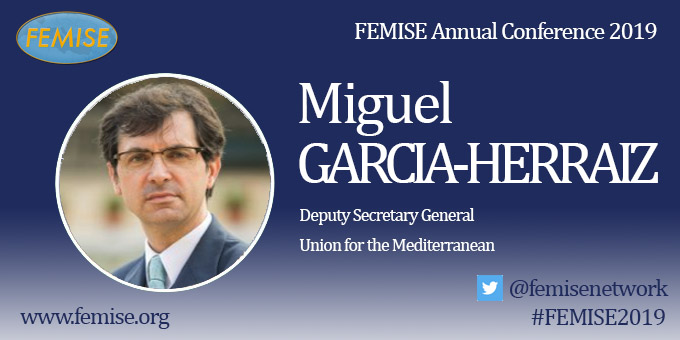
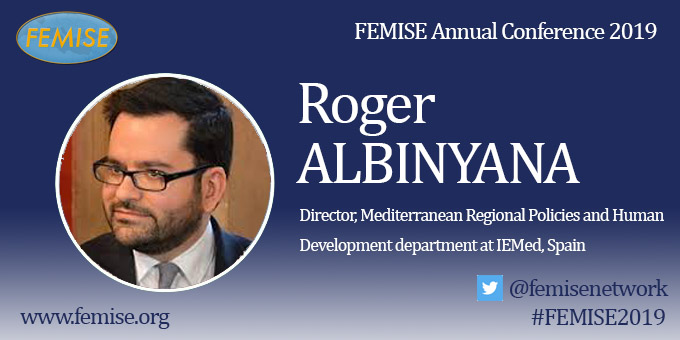
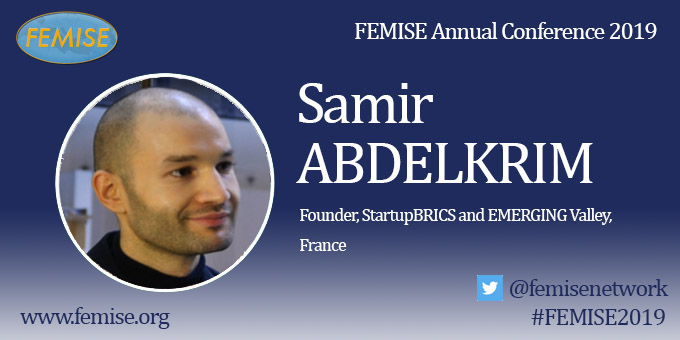
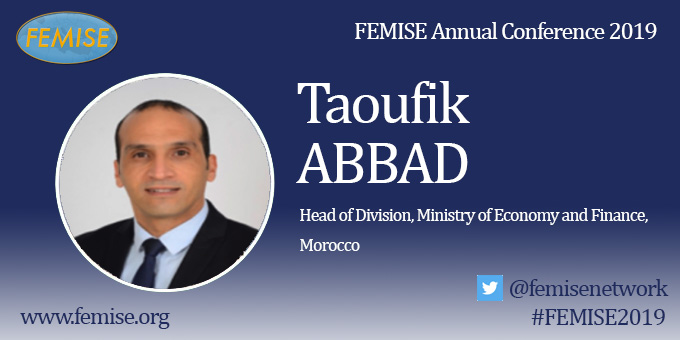
The FEMISE annual conference provides a platform for the different actors of the EU-Med region of research institutes’ members, academics, policymakers and representatives of the international community including the EU, to engage in a constructive dialogue about the future of the region and the role the EU can play in the context of the new Neighborhoud Policy (ENP). 

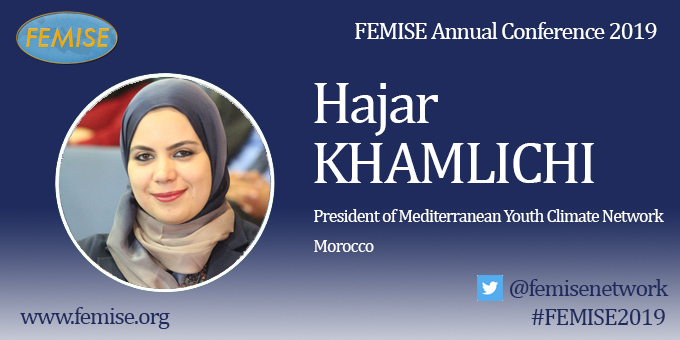
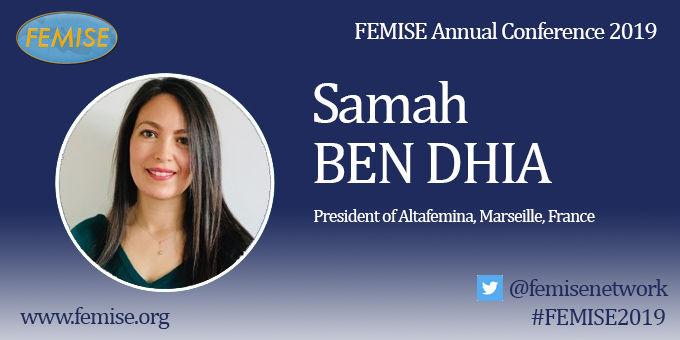
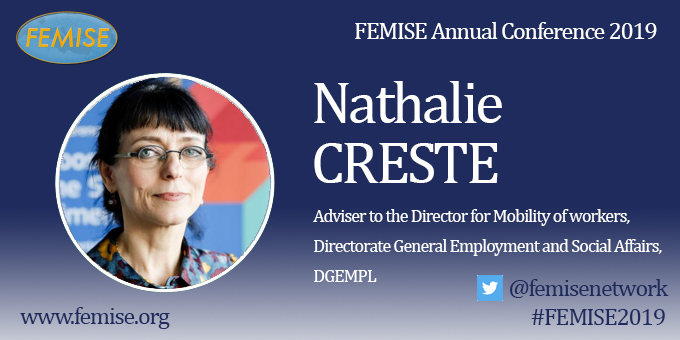
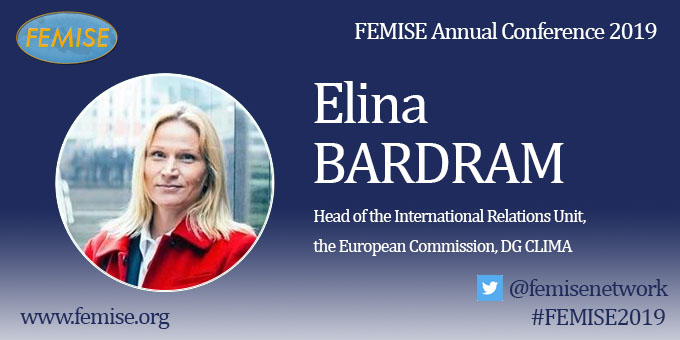
To get to know some of our speakers, click on their pictures !

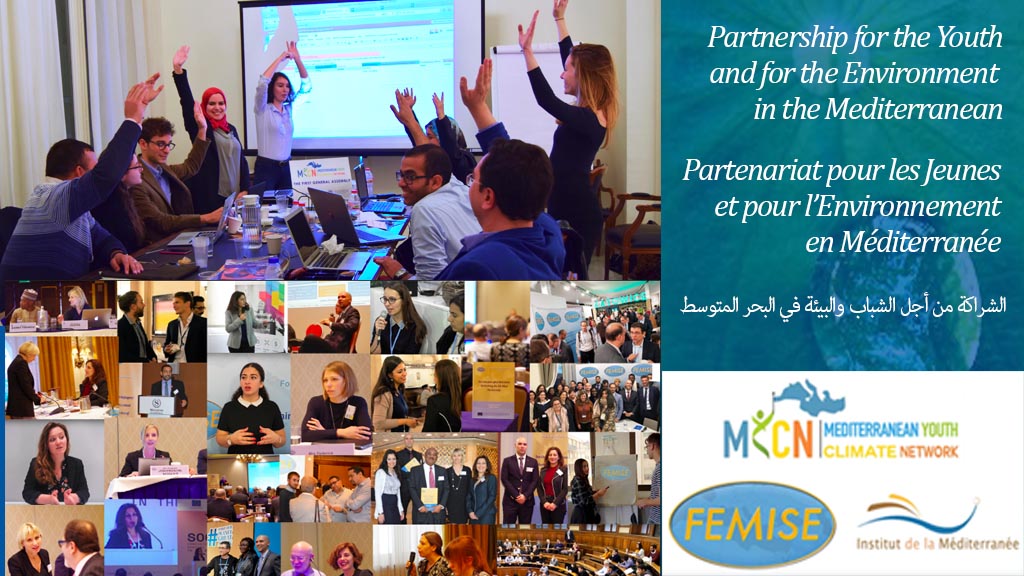
Mediterranean Youth Climate Network, FEMISE and IM conclude a partnership for the Environment and Youth in the Mediterranean

Mediterranean Youth Climate Network (MYCN), FEMISE and Institut de la Méditerranée conclude a strategic partnership in favour of the Environment and Youth in the Mediterranean

Press release – March 22 2019

Mediterranean Youth Climate Network (MYCN), FEMISE and Institut de la Méditerranée conclude a strategic partnership in favour of the Environment and Youth in the Mediterranean

MYCN, Institut de la Méditerranée and FEMISE announce their collaboration in the framework of a strategic partnership. The three institutions are committed actors in their efforts to contribute to inclusive and sustainable development models, to promote environmental and youth-inclusion values at the Mediterranean and international levels. They are aware of the need to pool means in order to act for strengthening the impact and outreach of messages, as well as to enrich knowledge.

The works of the FEMISE think-tank and of Institut de la Méditerranée show that new models are needed in the Mediterranean to bring about economic, social and environmental change and to show the whole society the potential of young Mediterranean people as solution-makers. For its part, MYCN is a Mediterranean Youth Network for Climate, a place conceived for the sharing of ideas and the implementation of concrete actions. It is also a place for the capitalization of the know-how of young people around the Mediterranean, placing them at the forefront of climate action, which is a major priority for the region.

Therefore, this partnership aims to create a multidisciplinary and dynamic virtuous circle in the Mediterranean, allowing for impactful proposals and actions to emerge. It will focus on themes ranging from the fight against Climate Change, Water-related issues and the promotion of Sustainable Development, to Responsible Entrepreneurship dynamics carried by the youth and the role of young people in Research and Innovation. Amongst other things, the partners will deploy their cooperation efforts to:

  • elaborate and develop cooperation projects for young people in the euro-mediterranean region,
  • create, animate and promote a set-up to allow for a Mediterranean ecosystem of young people with environmental impact to emerge,
  • organize joint events and publications and carry out awareness-raising in the countries around the Mediterranean.

For MYCN, FEMISE and Institut de la Méditerranée, it’s not just about talking regarding the youth, but about working with them and including them for inclusive and sustainable solutions in the Mediterranean!

For more information, please contact :

MYCN : Hajar Khamlichi, President, Mediterranean Youth Climate Network, hajarkhamlichi32@gmail.com www.facebook.com/MYCNetwork/      

IM / FEMISE :
Dr. Constantin Tsakas, General Manager of Institut de la Méditerranée, General Secretary of FEMISE c.tsakas@femise.org ++ 33 (0)4 91 31 51 95
www.femise.org