

Tallie Hausser, Constantin Tsakas and Karine Moukaddem
The FEMISE Policy Brief series MED BRIEF aspires to provide Forward Thinking for the EuroMediterranean region.The briefs contain succinct, policy-oriented analysis of relevant EuroMed issues, presenting the views of FEMISE researchers and collaborators to policy-makers.
The MED BRIEF “Developing Social Entrepreneurship and Social Innovation in the Mediterranean and Middle East “, is available here.
It is also available in Arabic by clicking here.
Summary:
Our Policy Brief analyzes the social innovation ecosystems in Beirut and Tunis and discusses ways for leading to inclusive innovation that creates jobs, income and opportunities for marginalized populations, women and youth. Findings show that the lack of a legal form for social enterprises, impediments to financing and investment, scarcity of human resources for upper management and difficulties in determining the proper customer base are among the core obstacles faced by social entrepreneurs. We argue that more innovative financing mechanisms should be available for them. Educating investors in the South Med around the concept of impact measurement and impact investment would be needed. In addition, South Med governments ought to actively support social enterprises, meanwhile, corporations should be considering social procurement and including social enterprises in their supply chains. Finally, capitalizing on Euro-Med cooperation could be an inclusivity game-changer. Specifically, an EU-Med Social Impact Platform could multiply funding opportunities for South-Med entrepreneurs and provide a promising market for impact investors.
The list of FEMISE MED BRIEFS is available here.
 The policy brief has been produced with the financial assistance of the European Union within the context of the FEMISE program. The contents of this document are the sole responsibility of the authors and can under no circumstances be regarded as reflecting the position of the European Union

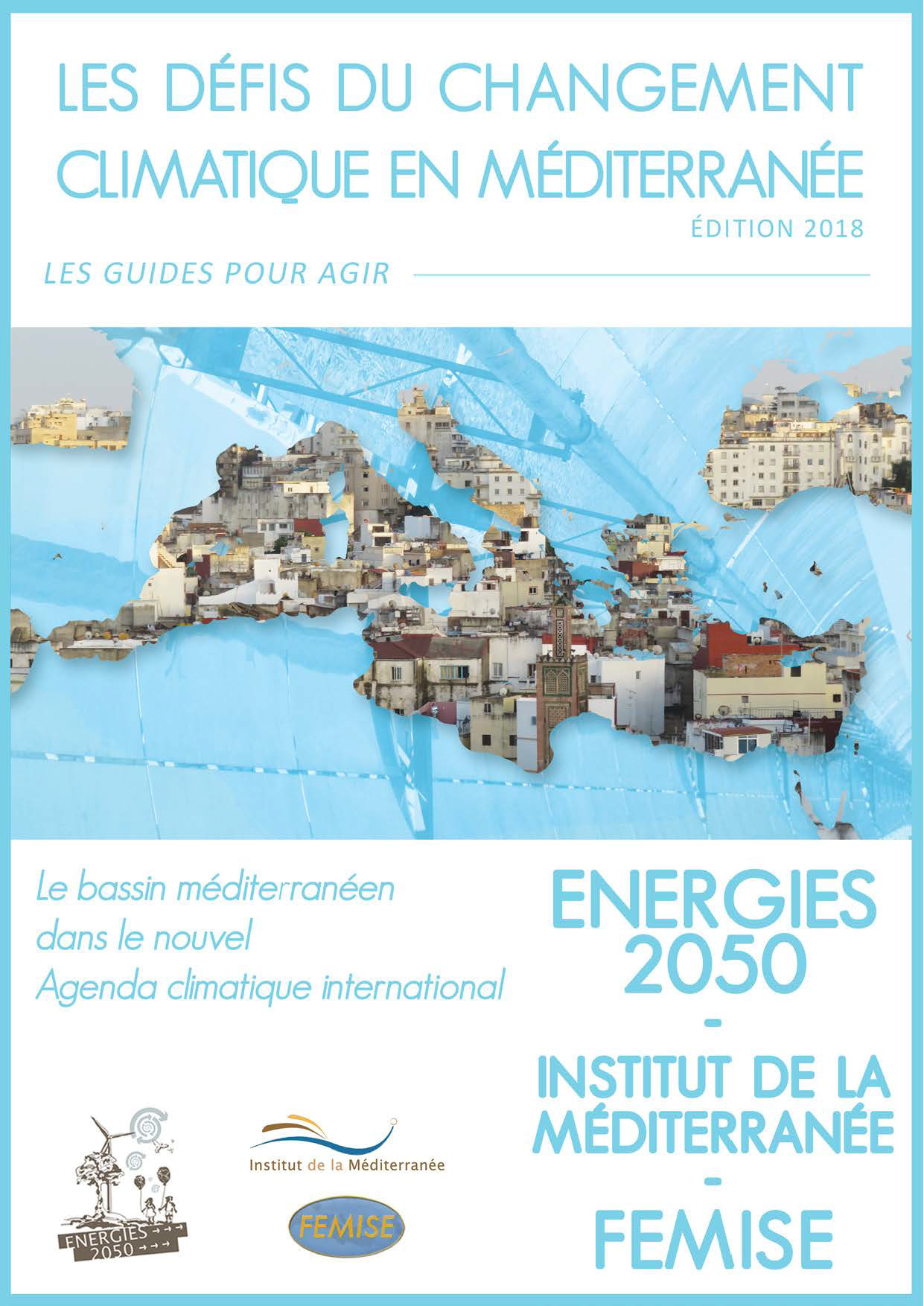



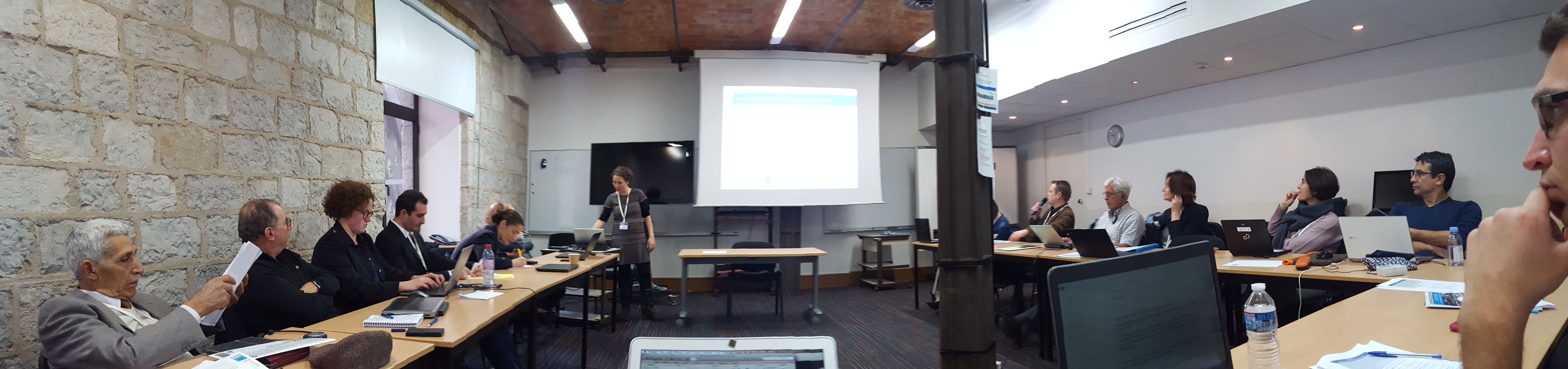
 The Plan Bleu and the Mediterranean Action Plan Coordination Unit have been mandated by the Contracting Parties to prepare a new report on the State of the environment and development in the Mediterranean, to be presented to the Conference of Parties of the Barcelona Convention by end 2019.
 Revenues from environmental taxes vary between Mediterranean countries. In Tunisia they represented only 1.16% of GDP in 2014, which remains insufficient in comparison with Slovenia (3.9% of GDP, for a GDP similar to Tunisia) or Morocco (1.72% of GDP). Among the MENA countries, Turkey is the country where tax revenue accounted for the largest share of GDP (3.83%), although this country is not comparable in terms of demography or tourism (the size of the country matters in tax revenues).