

FEMISE is pleased to announce the publication of the final version of the 2018 edition of the report on “The challenges of climate change in the Mediterranean: the Mediterranean in the new International Climate Agenda”, in the “Guides for Action” series. The report is a ENERGIES2050 – Institut de la Méditerranée – FEMISE coproduction.
The report (in french) is available for download by clicking here
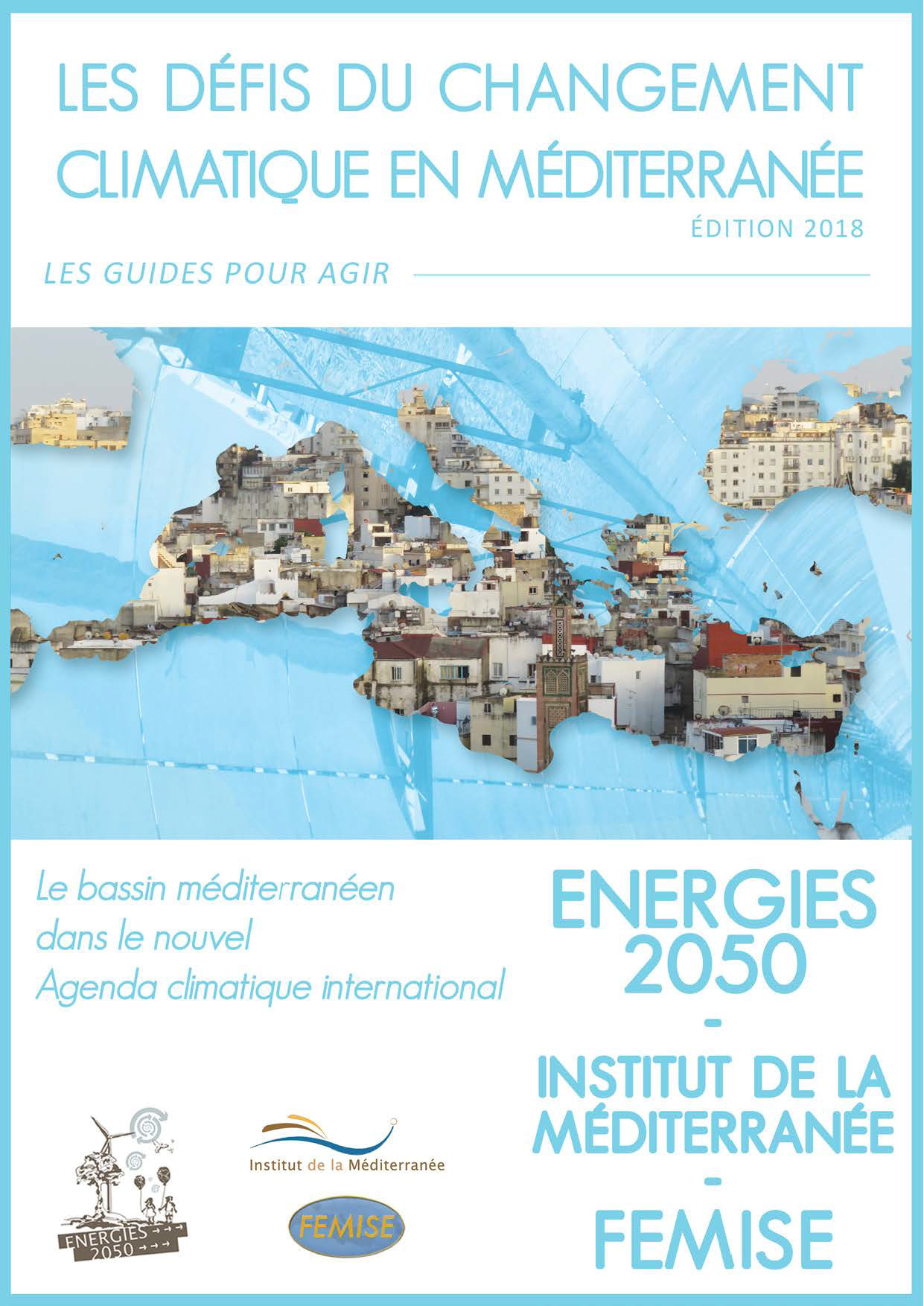
This report, coordinated by Stéphane Pouffary (ENERGIES 2050), Guillaume de Laboulaye (ENERGIES 2050) and Constantin Tsakas (Institut de la Méditerranée, FEMISE), presents in an updated way the realities of climate change in the countries around the Mediterranean basin and the actions implemented by stakeholders to respond to the challenges of the fight against climate change. The Mediterranean is one of our planets’ “hotspots” and the impacts of climate change are very pronounced and particularly visible on countries of the South and East shores. International mobilization on the climate issue shows there is a real awareness whether for the signatory States of the UNFCCC or for the non-state actors and subnational governments that are strongly mobilized.
However, the ambition of collective and individual commitments is unanimously recognized as very insufficient in view of the realities and challenges to which all countries and territories concerned are and will be confronted. Moreover, beyond commitments, implementation and action remain insufficient, sporadic and fragmented. The Mediterranean is no exception and more than ever there is a need for setting up a common agenda for action as the pace of international negotiations is not the same as the speed with which changes and alterations take place.
The report will be presented at a dedicated session of the Workshop on “Climate Change in the Mediterranean and Economic Attractiveness of local Territories”, Marseille, May 15th 2018.
A first draft of the report had been presented on the occasion of the 23rd Conference of the Parties (CoP23) to the United Nations Framework Convention on Climate Change (UNFCCC) held in Bonn, Germany from 6 to 17 November 2017. This report is intended to become a regular publication and to be accessible to the entire community of actors involved in these issues. The idea of this action being i. to produce politically relevant research and ii. to encourage the emergence of an ecosystem of EU-Med actors (macro, meso and micro) to respond effectively to the posed challenges.
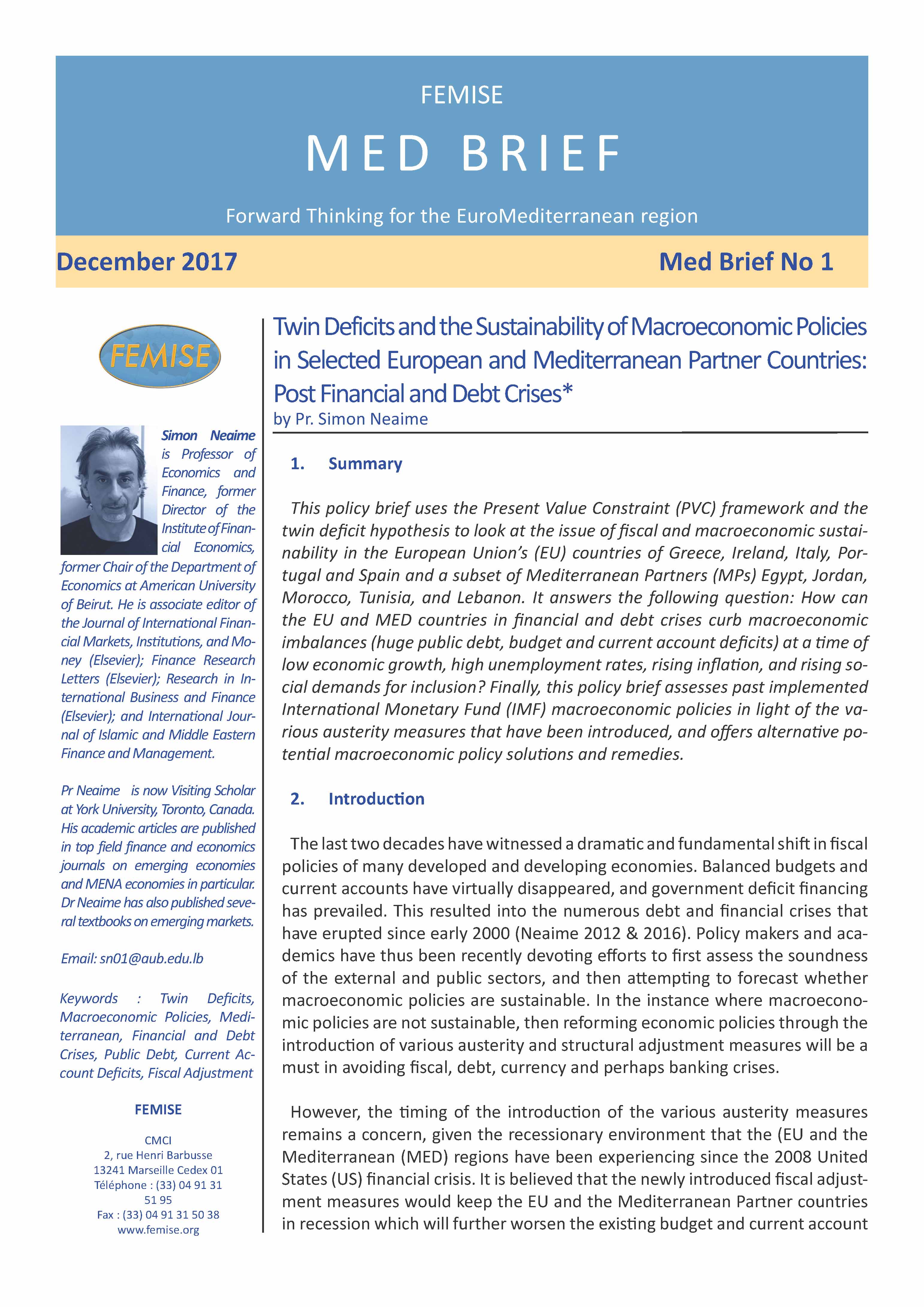
For a Policy Brief (Med Brief) issued from the report click here.
For a “Med Change Makers” interview (video and text) on the case of Lebanon click here.
For an overview of the presentation of the report at COP23 at the Pavillon of France, click here.

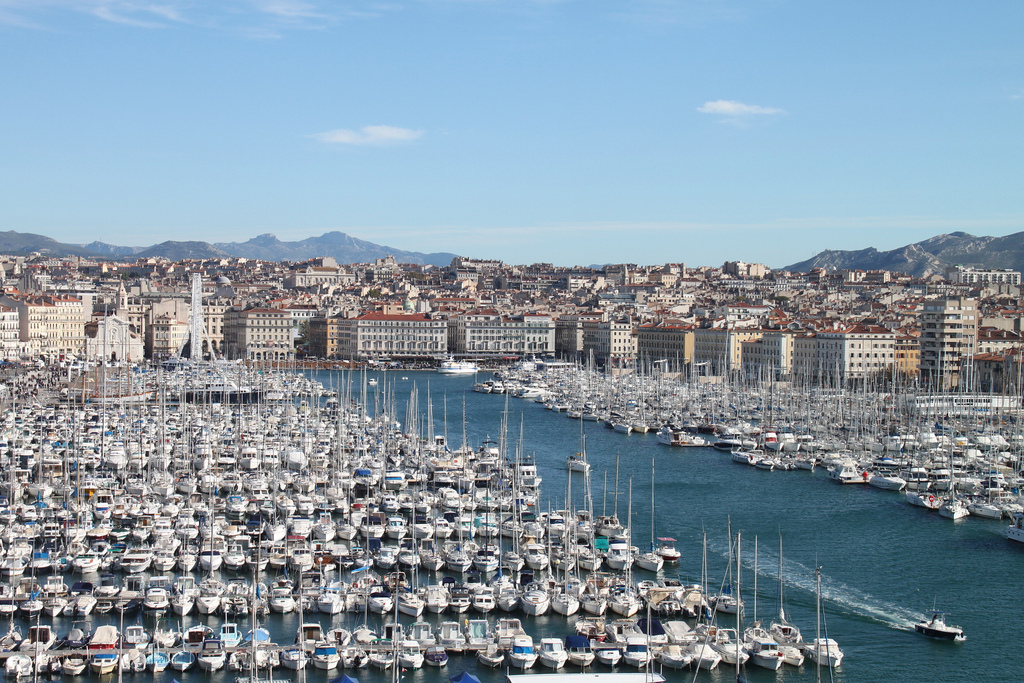 The workshop, organized by Institut de la Méditerranée and the Departmental Council of the Bouches du Rhône, in partnership with FEMISE and ENERGIES2050, addresses the actors for whom these issues have a resonance, the political actors of the territory as well as non-state actors (private operators, civil society organizations, universities …). While considering the recent and current economic situation, this workshop highlights the development opportunities to be seized. It illustrates the momentum created by local actors and makes a positive contribution to debates on climate issues in the Mediterranean in the light of current realities and challenges.
 IM and FEMISE are participating with funding under the EU-FEMISE project “Support to Economic Research, Studies and Dialogues of the Euro-Mediterranean Partnership”. The opinions expressed in this conference are the sole responsibility of the authors.
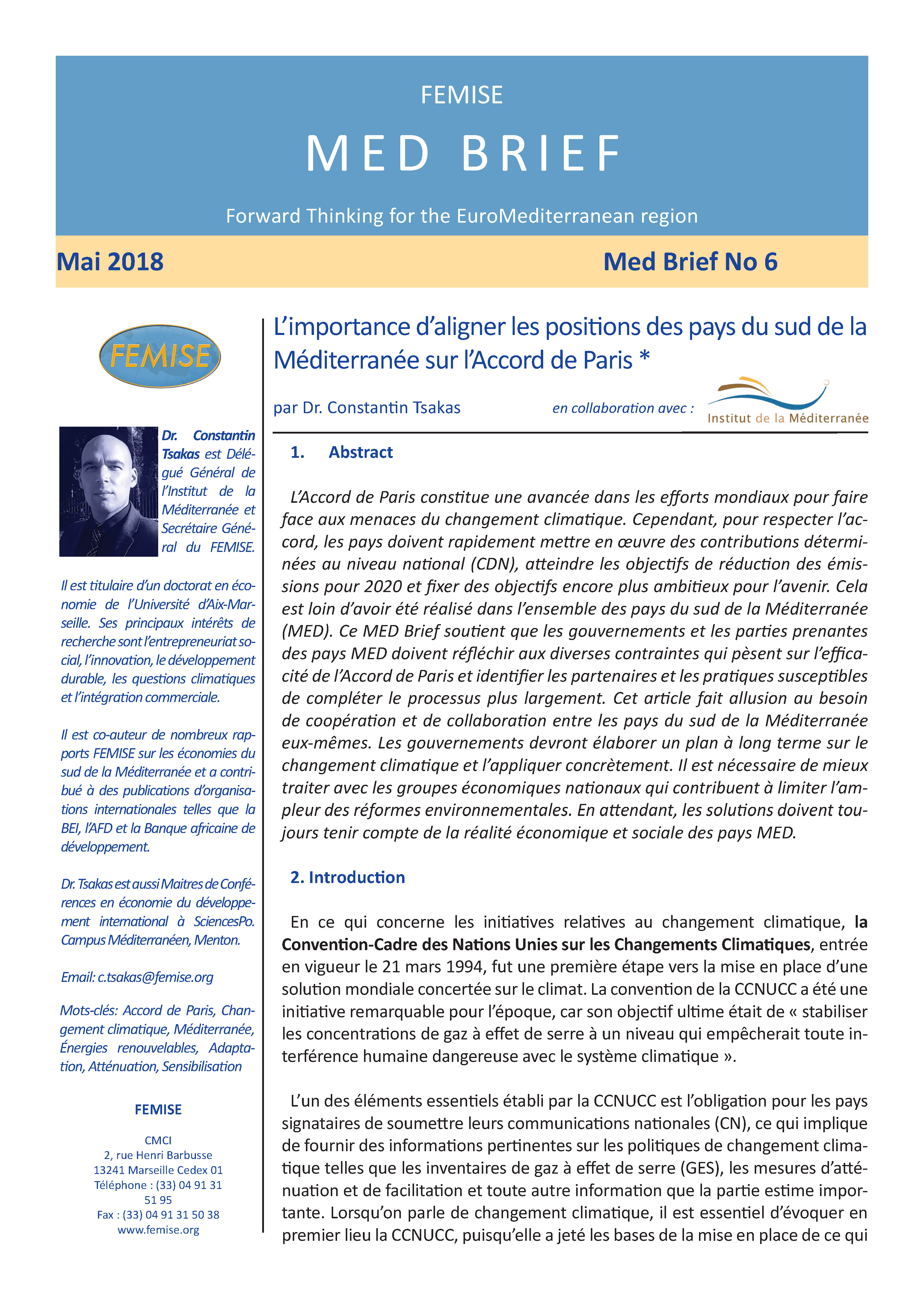 The FEMISE Policy Brief series MED BRIEF aspires to provide Forward Thinking for the EuroMediterranean region. The briefs contain succinct, policy-oriented analysis of relevant EuroMed issues, presenting the views of FEMISE researchers and collaborators to policy-makers.
 The policy brief has been produced with the financial assistance of the European Union within the context of the FEMISE program. The contents of this document are the sole responsibility of the authors and can under no circumstances be regarded as reflecting the position of the European Union.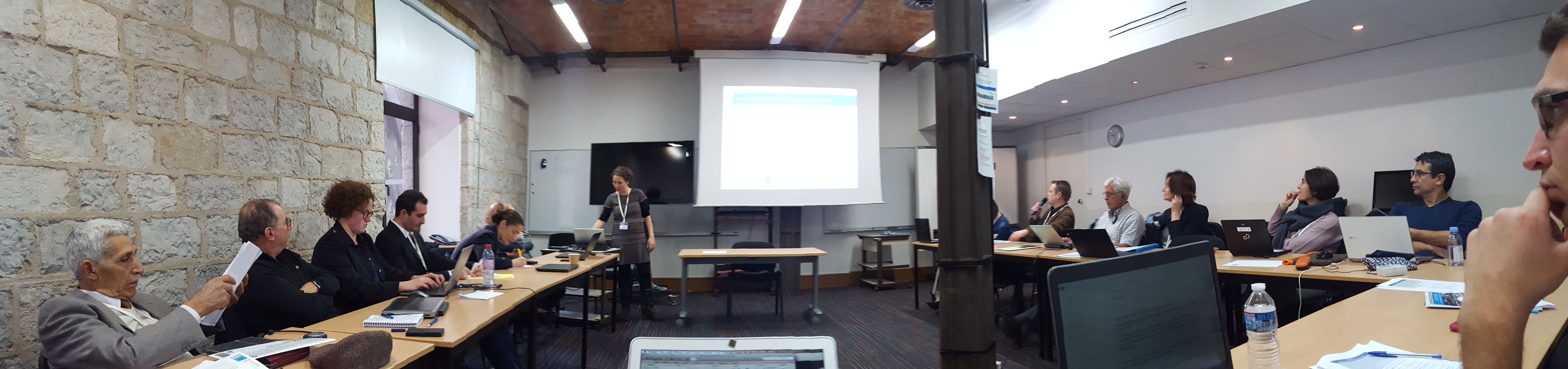
 The Plan Bleu and the Mediterranean Action Plan Coordination Unit have been mandated by the Contracting Parties to prepare a new report on the State of the environment and development in the Mediterranean, to be presented to the Conference of Parties of the Barcelona Convention by end 2019.
 Revenues from environmental taxes vary between Mediterranean countries. In Tunisia they represented only 1.16% of GDP in 2014, which remains insufficient in comparison with Slovenia (3.9% of GDP, for a GDP similar to Tunisia) or Morocco (1.72% of GDP). Among the MENA countries, Turkey is the country where tax revenue accounted for the largest share of GDP (3.83%), although this country is not comparable in terms of demography or tourism (the size of the country matters in tax revenues).



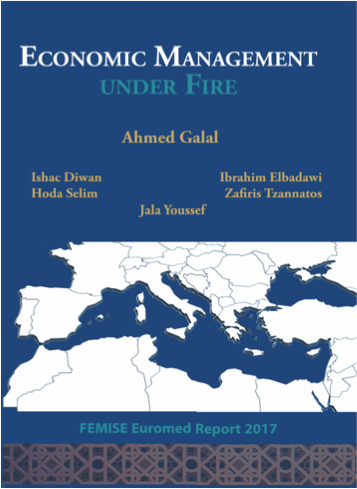 FEMISE is launching its 2017 Euro-Mediterranean report on the transition of the South Mediterranean economies. The report provides a critical analysis of the responses of selected countries of the region to the economic, social and political challenges in the wake of the uprising and recommendations on how to move forward to ensure a successful transition.
 In the Mediterranean, the effects of climate change will always be felt more than elsewhere. Reduction of greenhouse gas emissions and adaptation needs of riparian countries are more than ever necessary.