

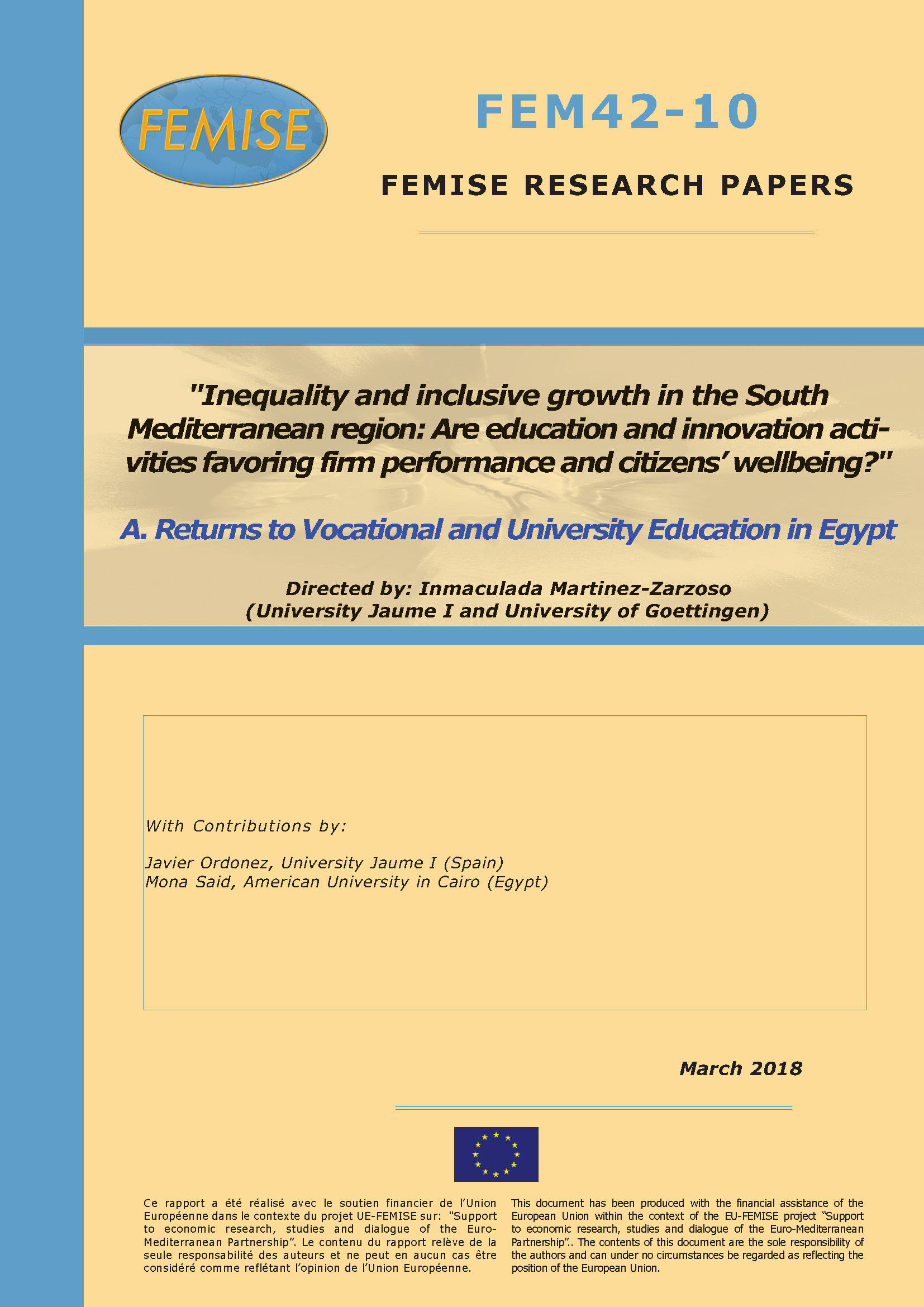
 FEMISE is pleased to announce the publication of its research project FEM42-10, “ Inequality and inclusive growth in the South Mediterranean region: Are education and innovation activities favoring firm performance and citizens’ wellbeing?”.
The research project was coordinated by Inmaculada Martinez-Zarzoso (University Jaume I and University of Goettingen) and includes the following 3 papers:
Returns to Vocational and University Education in Egypt
While tertiary skills are important for growth in developed countries, it is primary and secondary education that are related to development in developing countries. Despite the substantial expansion in technical and vocational education in Egypt, the labor market lacks technical skilled workers not only in numbers but also in competences. This paper examines the impact of education on labor market outcomes in Egypt, with a focus on returns to vocational secondary and technical higher education in 1998, 2006 and 2012. We provide estimates of incremental rates of return to education based on selectivity corrected earnings equations and quantile regressions that give credence to the view that technical education has generally been inequality reducing in Egypt. The main policy implication of this paper’s analysis is that quality and labor market relevance of vocational education remains the key to an effective reform. Encouraging private businesses to invest in vocational education will be of little use if the trainees are still faced with social stigma that relegates them to low-paid jobs. Therefore, a policy recommendation is to design governmental measures to improve the ‘image’ of vocational education in Egypt.
Gender Gap and Firm Performance in Developing Countries
This paper uses firm-level data from the World Bank Enterprise Survey (WBES) to investigate productivity gaps between female and male-managed companies in developing countries and to compare the outcomes obtained for different regions in the world. We depart from the previous literature by using the gender of the top manager as target variable, which is newly available in the 2016 version of the WBES. The main results indicate that it is crucial to distinguish between female management and female ownership and also the confluence between both. We find that when the firms are managed by females and there are not female owners, they show a higher average labour productivity and TFP. However, if females are among the owners and a female is the top manager, then their productivity is lower than for other firms. These results are very heterogeneous among regions. In particular, results in South Saharan Africa, East Asia and South Asia seems to be driving the general results, whereas in Latin America and Eastern Europe and Central Asia, female participation in ownership seems to be negatively related to firm performance.
Real convergence between ENP and southern European countries: a cluster analysis
This paper analyses the convergence pattern of GDP per capita, productivity, inequality and unemployment in both ENP and southern European (SE) countries. It follows the methodology proposed by Phillips and Sul (2007, 2009) in which different convergence paths can be distinguished among heterogeneous economies involved in a convergence process. This heterogeneity is modelled through a nonlinear time varying factor model, which provides flexibility in studying idiosyncratic behaviours over time and across section. The main results from the convergence analysis show that whereas there is convergence in unemployment, GDP per capita and productivity between EU and ENP countries, no convergence is found for inequality. Among the challenges of an evolving neighbourhood, inclusive economic development should be included in the new ENP approach.
 Following the adhesion of the 8 new members in the FEMISE Network, as of the 1st of March 2018, FEMISE is pleased to announce that the number of network members reached 104 members’ institutes: 57 from the North and 47 from the South.

 TOBB Univeristy of Eocnomics and Technology, Ankara, Turkey
  L’Observatoire des Pratiques des Entrepreneurs et des Entreprises (OPEE)

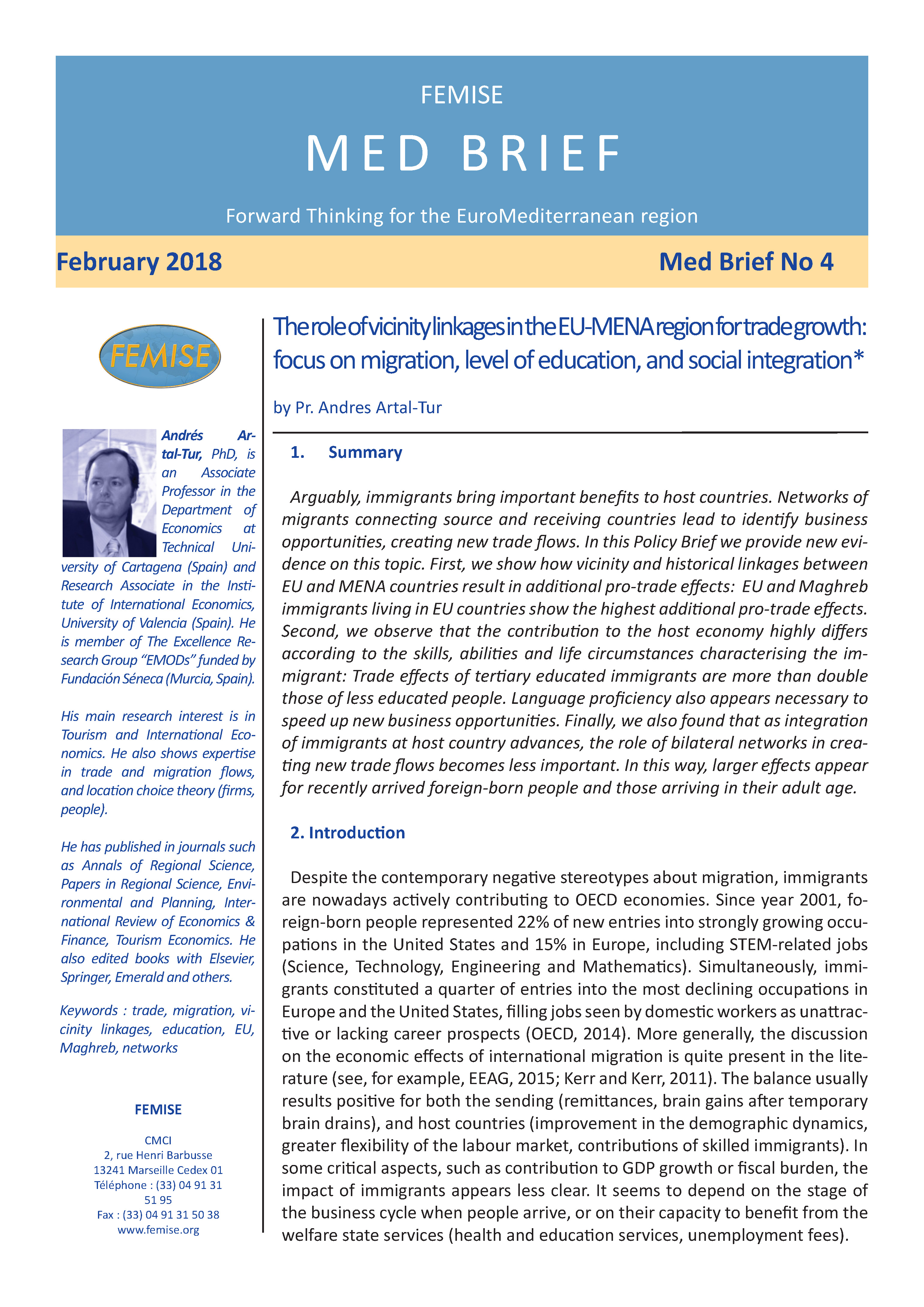 FEMISE is launching its new Policy Brief series MED BRIEF aspiring to provide Forward Thinking for the EuroMediterranean region. The briefs contain succinct, policy-oriented analysis of relevant EuroMed issues, presenting the views of FEMISE researchers and collaborators to policy-makers.
 The policy brief has been produced with the financial assistance of the European Union within the context of the FEMISE program. The contents of this document are the sole responsibility of the authors and can under no circumstances be regarded as reflecting the position of the European Union.


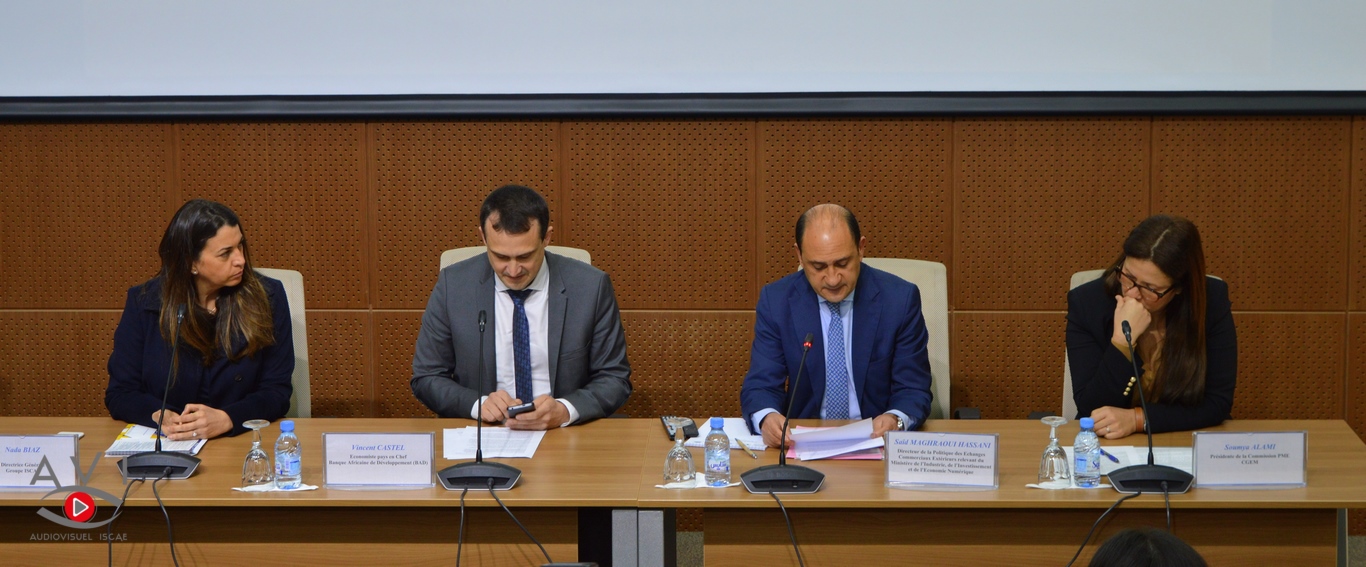
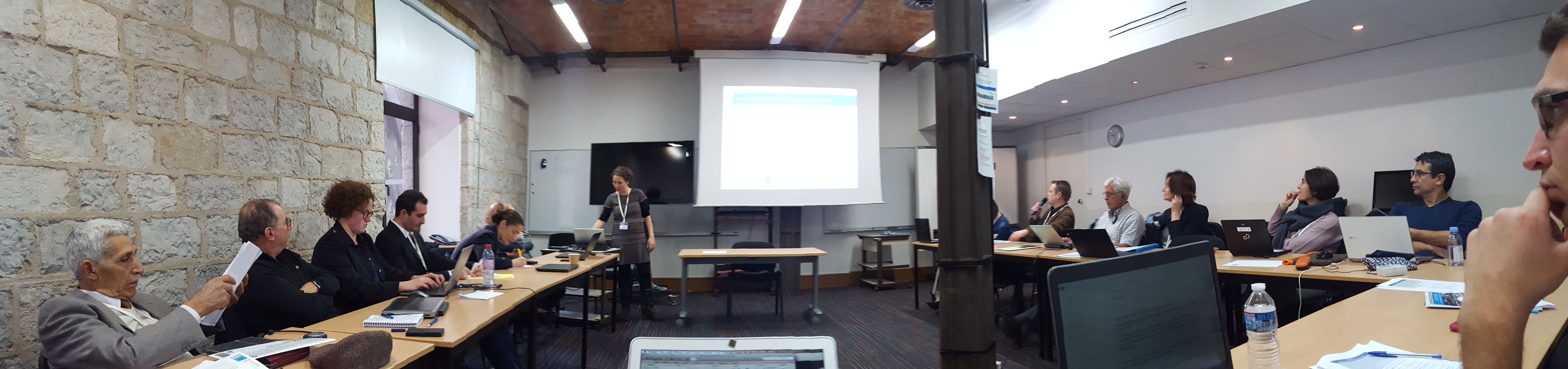
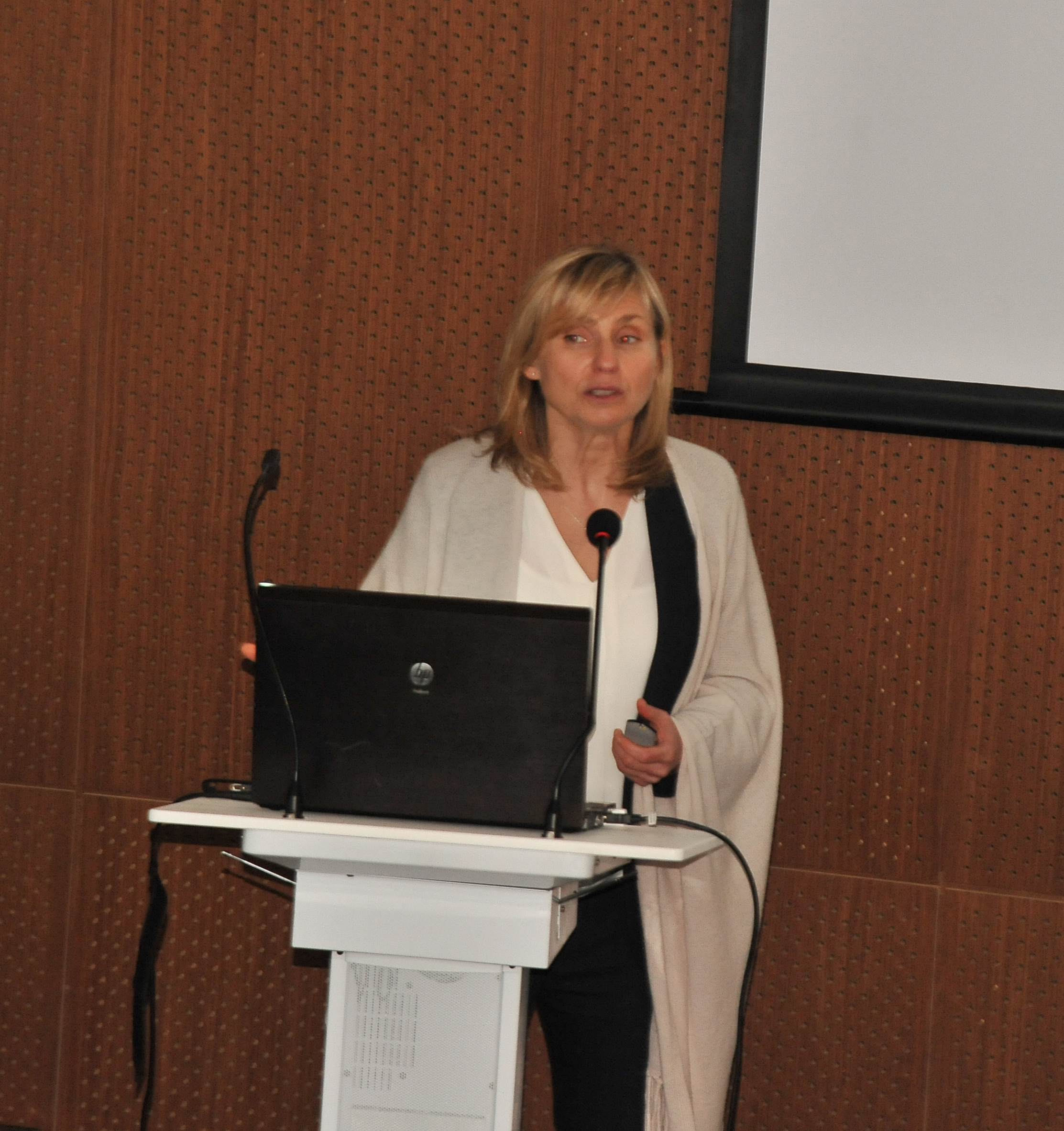 This workshop is part of an IM-FEMISE partnership with ISCAE group and presented the preliminary findings of an African Development Bank study entitled “Identifying obstacles to improving the business environment and improving integration into the global value chains of Moroccan SME exporters”, which was co-led by Pr. Patricia AUGIER (IM, FEMISE) and with contributions of experts from the FEMISE network.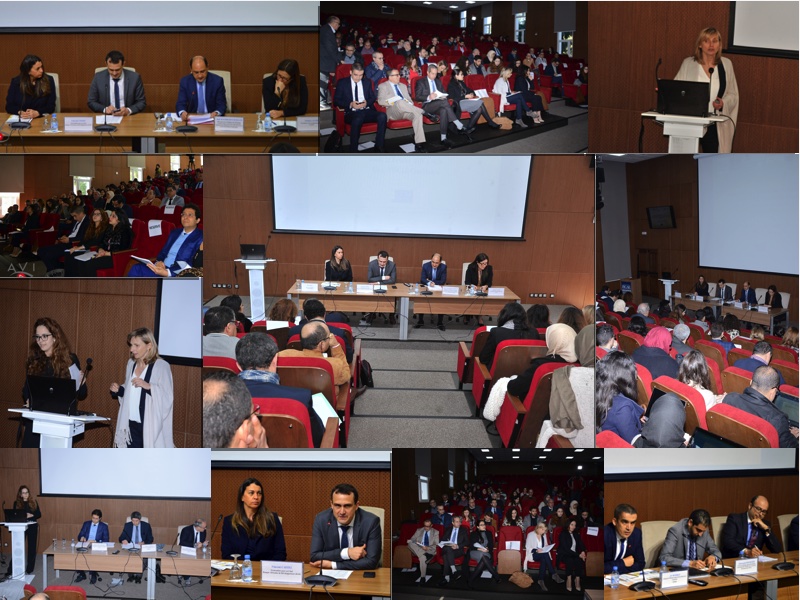
 This event received financial support from the European Union through the FEMISE project on “Support to Economic Research, studies and dialogues of the Euro-Mediterranean Partnership”. Any views expressed in this seminar are the sole responsibility of the speakers.
 As part of its activities, the FEMISE network is launching a Call for Candidates for the post of FEMISE Trainee Economist-Admin Support FEMISE for a 6-month training period.
 FEMISE is inviting all researchers and experts to submit original Policy Briefs based on recent research conducted on policy issues relevant to the EU-Med region.
 FEMISE is launching its new Policy Brief series MED BRIEF aspiring to provide Forward Thinking for the EuroMediterranean region. The briefs contain succinct, policy-oriented analysis of relevant EuroMed issues, presenting the views of FEMISE researchers and collaborators to policy-makers.
 The Plan Bleu and the Mediterranean Action Plan Coordination Unit have been mandated by the Contracting Parties to prepare a new report on the State of the environment and development in the Mediterranean, to be presented to the Conference of Parties of the Barcelona Convention by end 2019.
 Revenues from environmental taxes vary between Mediterranean countries. In Tunisia they represented only 1.16% of GDP in 2014, which remains insufficient in comparison with Slovenia (3.9% of GDP, for a GDP similar to Tunisia) or Morocco (1.72% of GDP). Among the MENA countries, Turkey is the country where tax revenue accounted for the largest share of GDP (3.83%), although this country is not comparable in terms of demography or tourism (the size of the country matters in tax revenues).


