
Interviewed during the annual conference of the Euro-Mediterranean Forum of Economic Institutes (Femise-Malta, 7 to 9 February 2018) Ndiouga Sakho, President of the Commission for Urban Development and Sustainable Development of the City of Dakar, discusses the actions of the Territorial Energy Climate Plan implemented in the capital of Senegal thanks to European and Mediterranean partnerships.

Ndiouga Sakho insists on the need for city-to-city cooperation (photo: F.Dubessy)
econostrum.info: How does the city of Dakar deal with the issues of sustainable development?
Ndiouga Sakho: For a few years now, the city has been engaged in the fight against climate change. Our capital is home to 80% of the country’s industrial activities in 3% of the country’s size.
We have begun to make a diagnostic of the vulnerability of the city, the environment, the social sector, the economy, and so on. Starting from 2013, we have put together an action and environmental management plan. This enabled us to mobilize €1M on a Territorial Energy Climate Plan financed by the European Union over three years, with a global vision around three points: an adaptation and mitigation strategy, a platform of the actors to cooperate and share lessons and failures, and finally, energy efficiency projects to strengthen the share of renewable energy in public lighting, for example, as in municipal infrastructure, and energy savings. Dakar, along with ten other cities benefiting from this plan, is a laboratory test in Africa with a goal of replicating our experience.
I insist on the city-to-city cooperation and the major role of the territories with the local actors, which are in the same time, the places of emissions as well as of the solutions. This is where we have to experiment.
On what points Dakar can serve as an example?
N.S. : The city has a lot of experience in the field of urban mobility, for example, a system of remote control of all traffic lights to regulate car traffic in case of pollution peaks, paving and street improvement to encourage people to walk or cycle instead of using their vehicles. We are also developing public transportation with the BRT, a fast transport bus, and a TER. As well as the relocation of administrative services to be able to limit the concentration of activities in the city center.
Vegetable gardens in urban and school environments

The city of Dakar promotes eco-citizen behavior (photo: F.Dubessy)
What actions have you taken with the population?
N.S.: We have raised awareness of environmental culture in schools and with the promotion of eco-citizen behavior, but also by developing eco-neighborhoods. One of our projects is based on the installation of vegetable gardens in urban and school environments with training and capacity building activities that we have initiated. We are doing all this through a technical partnership with FAO (Editor’s note: Food and Agriculture Organization of the United Nations) in Milan, where we have also been able to find partners within a city university. We have shared this experience with other neighboring countries.
Are you also trying to adapt solutions from Mediterranean countries?
N.S.: Our partnerships in the Mediterranean are unfortunately not very well developed. But, we did several missions in Paris to study the implementation of their climatic plan. Similarly, with the city of Marseille, we have developed our master plan for beach development. The city of Marseille has helped us install pilot projects for our eight beaches.
 In the Mediterranean, the effects of climate change will always be felt more than elsewhere. Reduction of greenhouse gas emissions and adaptation needs of riparian countries are more than ever necessary.
 Government procurement concerns how public authorities spend taxpayers’ money on goods, services and infrastructure. In each country public procurement is typically governed at the national level by setting rules that try to balance a number of goals. Of these goals, transparency, non-discrimination, integrity and competition are probably the most important.
 Migrants’ selection by cultural traits, beliefs and practices has been largely understudied in the existing literature.
 We received nineteen (19) eligible proposals for this 2017 round under the General theme of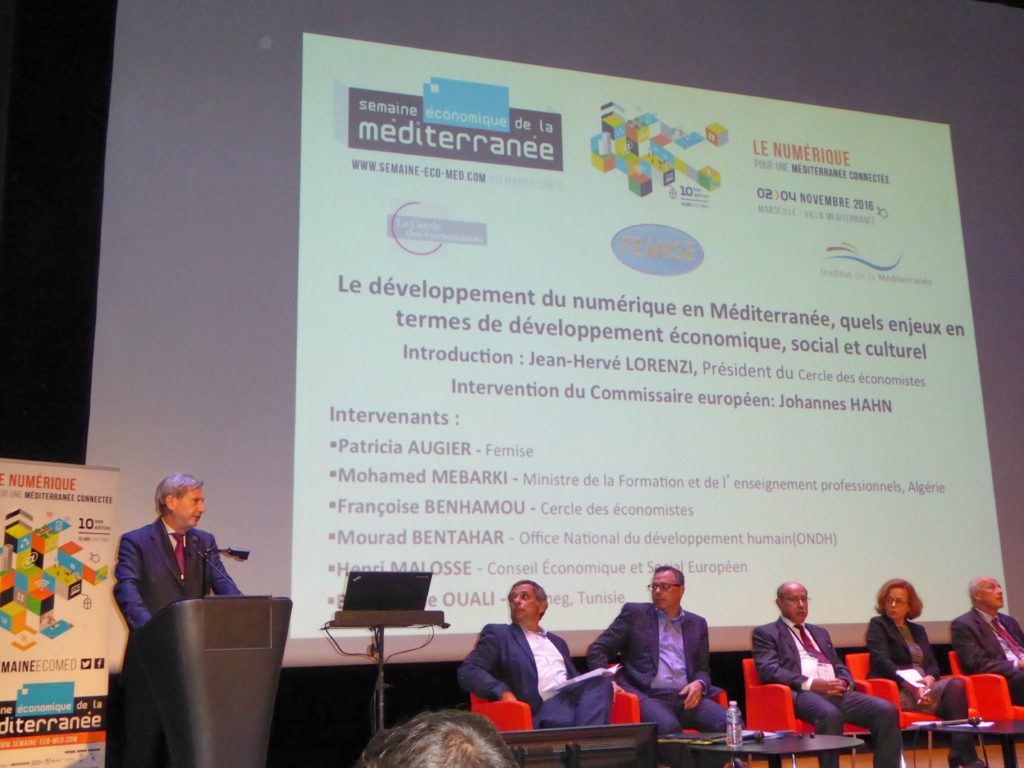
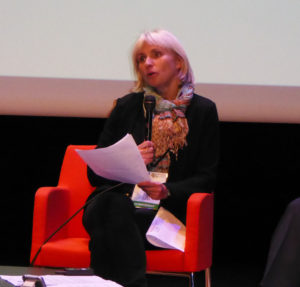
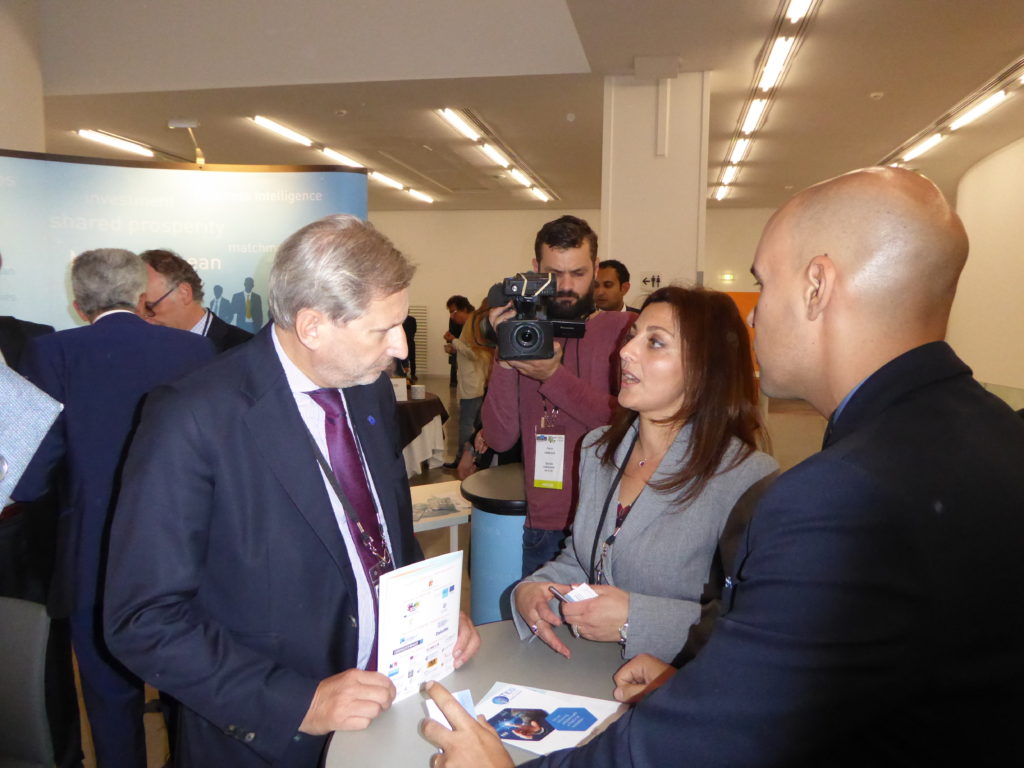
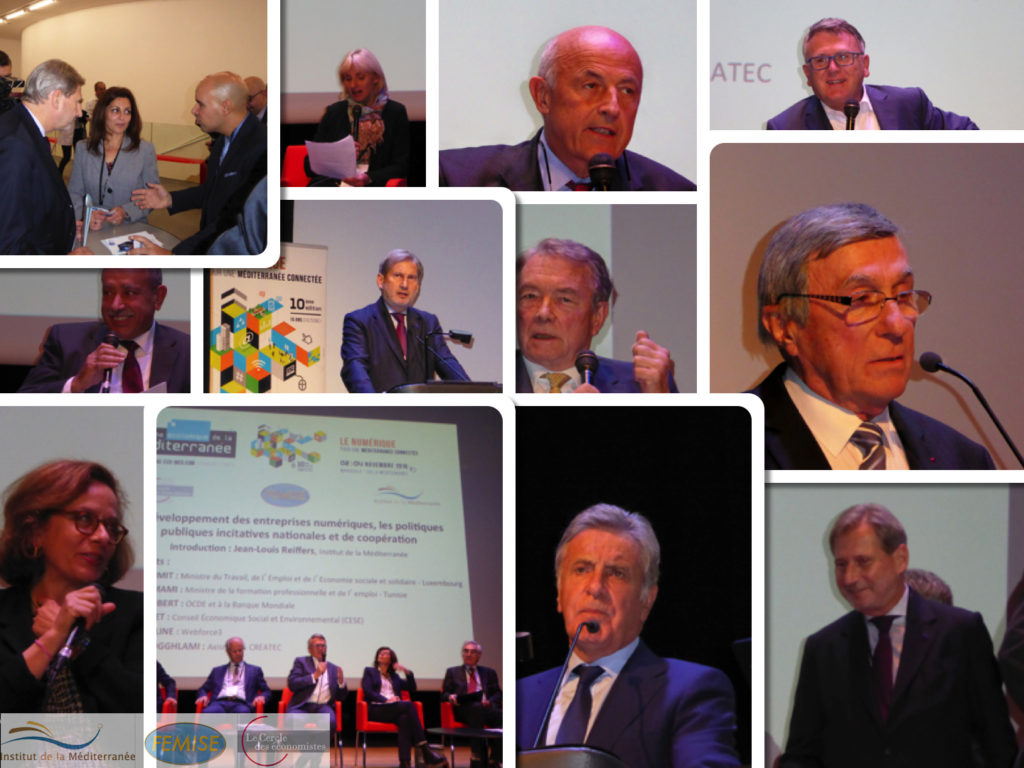
 FEMISE is pleased to announce that it is partnering with Le Cercle des économistes and Institut de la Méditerranée for the 12th Economic Rendez-Vous of the Mediterranean (Thursday, November 3rd, 14h to 17h15, Marseille, Villa Mediterranée, Amphitheatre) with the theme ” Development of the Digital Economy and labor market in the Mediterranean”. The two round tables will compare the analyses of a number of senior economists who will draw attention to the important changes that are taking place. The dynamic perspective of creators of new activities will be presented, along with the point-of-view of public policy makers who must build a strategy, provide incentives and adapt regulatory frameworks to these new realities.
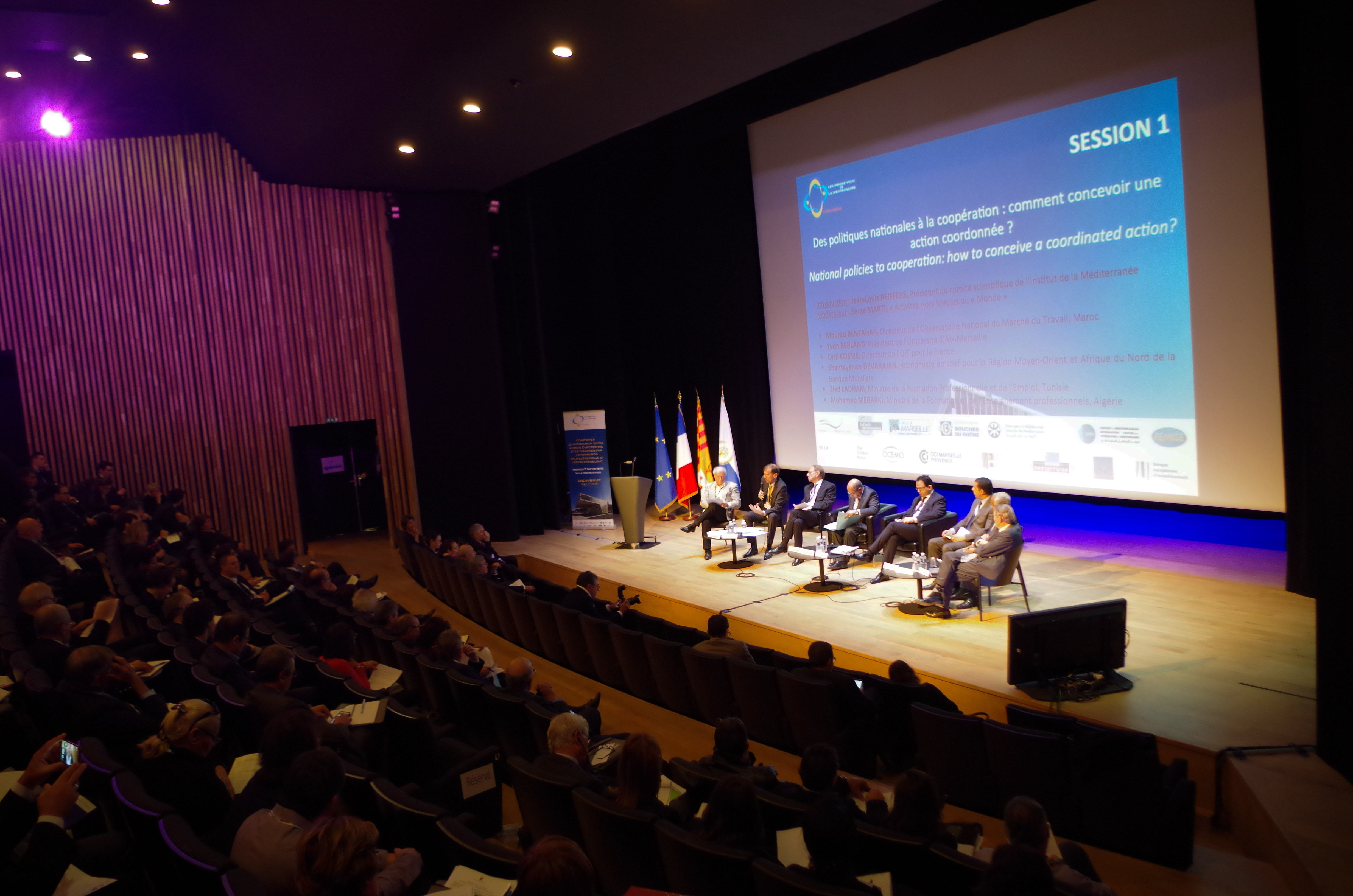 This eleventh conference organized by Institut de la Méditerranée (IM) / FEMISE and the Circle of Economists, was held in the premises of the Villa Mediterranée on Saturday, November 7th, 2015, the final day of the Mediterranean Economic Week. This year the conference revolved around the initiative of the Luxembourg Presidency of the European Union in favor of a closer cooperation between Europe and the Maghreb countries (Algeria, Morocco, Tunisia) with regards to vocational training and entrepreneurship.
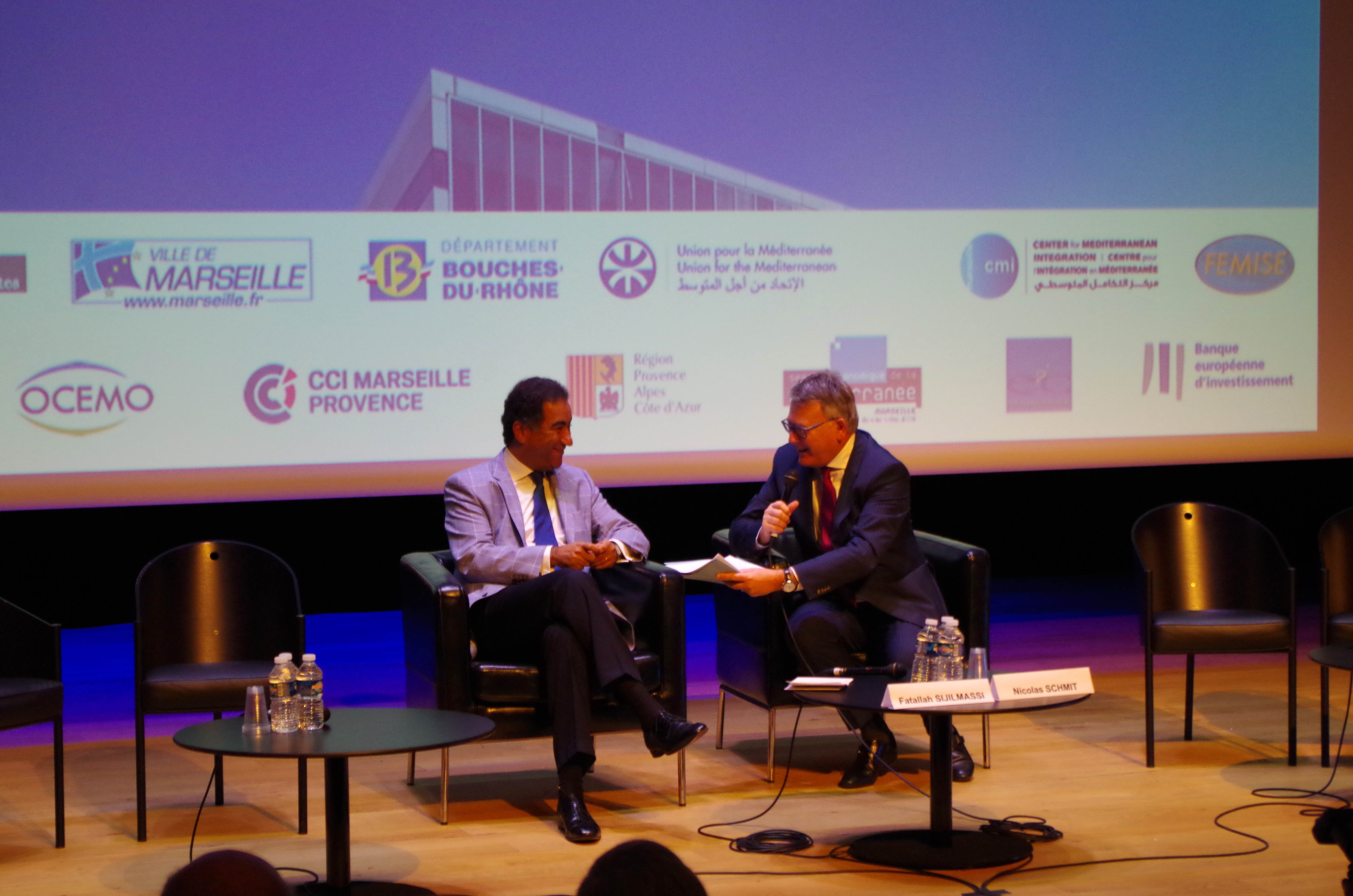 The Institut de la Méditerranée team, convinced of the role of vocational training for economic and social development and integration, already contributed to the design of this project initiative in the form of a strategic note “For an initiative on Vocational Training of the EU Presidency for Youth Employment in the Maghreb”. The initiative is now considered “an essential first step to address the problem of youth unemployment.” Participants to the conference called for “the creation of a common specific fund to mobilize 200 million that are needed for the program so that this first step for youth employment can be initiated as soon as possible”.