
Tag Archives: Tsakas

FEMISE at Plan Bleu Workshop on “Economic Instruments of Environmental Policies”

The Plan Bleu and the Mediterranean Action Plan Coordination Unit have been mandated by the Contracting Parties to prepare a new report on the State of the environment and development in the Mediterranean, to be presented to the Conference of Parties of the Barcelona Convention by end 2019.

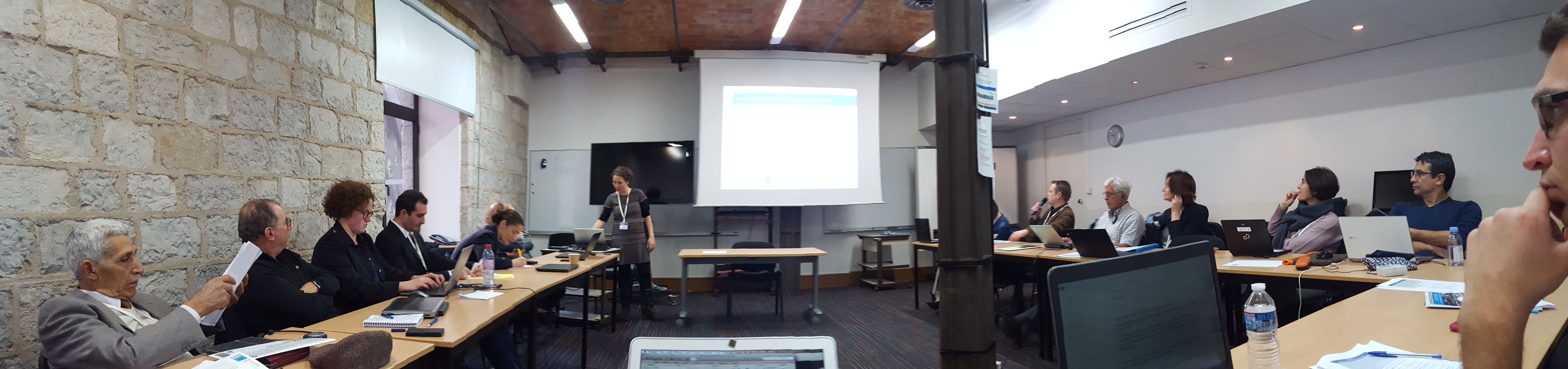
Therefore, the Plan Bleu organized a workshop on “Major marine and coastal issues in the Mediterranean rregion : Data and trends” at the Campus du Développement (formerly CEFEB) of AFD in Marseille (France), December 12th and 13th 2017.

The objective was to form a group of about thirty thematic experts, from international, Mediterranean, and also national and local institutions, to contribute to the preparation of the report. Three experts from the FEMISE network were mobilized, helping to identify priority themes, missing information, and knowledge to be improved on economic instruments for adaptation to climate change. The objective is to provide usable content in the next report of the Plan Bleu on the State of the environment and development in the Mediterranean.

Overview of the three FEMISE presentations

Dr. Constantin Tsakas (General Manager of Institut de la Méditerranée, Secretary General of FEMISE)

Dr. Constantin Tsakas (General Manager of Institut de la Méditerranée, Secretary General of FEMISE): “South-Med strategies and instruments for climate change : what consistency of action for mitigation/adaptation and what further needs?” (presentation available here)

Climate change is a major theme for the Mediterranean countries, because of the strong interconnections between economy and the environment. These interdependencies bring out opportunities, in terms of job creation, resources, but also raise issues (seal level rise, water stress …). Southern Mediterranean countries are impacted on all fronts by climate change (marine ecosystem, biodiversity, vulnerable populations, agriculture, tourism …), and the socio-economic implications are a potential source of revolts and conflicts. Despite these challenges, many Mediterranean countries have experienced an increase in CO2 emissions per capita.

What economic instruments for environmental policies? The taxonomy of instruments identified by FEMISE researchers, as part of the work carried out for the next IM-FEMISE-ENERGIES2050 report on the impact of climate change in the Mediterranean (to be published in 2018), lists environmental goods (public procurement), regulations (quotas, standards, etc.), the creation of new markets (emission allowances, compensation for emissions exceeding allowed thresholds), the use of existing markets (taxes, subsidies), and other instruments such as energy labels and standards. On paper, all Mediterranean countries (except Libya) have a policy framework for renewable energies. These countries have adopted some of these tools in specific sectors (renewable energies, transport and tourism, and waste management).

Among the instruments for renewable energies, we first have public tenders in Morocco (for large-scale projects), Palestine, Jordan and Israel (for solar photovoltaic and wind farms). Then, targets have been defined (in terms of capacity or coverage) for heating and cooling from renewable energies. Feed-in tariffs for electricity produced from renewable energies have also been introduced, particularly in Algeria (for photovoltaic electricity). Finally, there are taxes, such as those on energy consumption, natural gas and energy-intensive products in Algeria.

Regarding the tools put in place for waste management, we mainly have instruments that use the existing market. In Tunisia, the FODEP subsidizes the environmental remediation or waste collection and recycling facilities, and a tax on the VA for producers of pollutants has been introduced. Morocco has introduced a fee for liquid dumping and waste disposal (based on the “polluter pays” principle), and an eco-tax on plastic products and packaging.

For the tourism and transport sectors, the following instruments have been identified: a tax on the registration of used vehicles in Tunisia, a subsidy for the “Moussanada Siyada” ecological labeling procedures, and a “RENOVOTEL 3” fund dedicated to the environmental upgrading of tourist establishments in Morocco.

Revenues from environmental taxes vary between Mediterranean countries. In Tunisia they represented only 1.16% of GDP in 2014, which remains insufficient in comparison with Slovenia (3.9% of GDP, for a GDP similar to Tunisia) or Morocco (1.72% of GDP). Among the MENA countries, Turkey is the country where tax revenue accounted for the largest share of GDP (3.83%), although this country is not comparable in terms of demography or tourism (the size of the country matters in tax revenues).

Efforts are ongoing at the institutional level, particularly in Morocco (recognition of sustainable development as a right for every citizen) and in Tunisia (climate change recognized in the Constitution of 2014), but also to a lesser extend in Algeria. But much remains to be done: the share of renewable energy remains insufficient in the energy mix, and only a marginal share of funding is dedicated to renewable energy, while most of the funds are still allocated to traditional energies.

Regarding future challenges and opportunities, the context (post-Arab Spring, social pressures) is to be taken into account. The key issue is the lack of resources to implement measures favoring “green” energies, while energy intensive activities remain a great source of jobs. In the long term, the challenge will be to redirect savings and employment towards projects emitting less CO2.

Preliminary recommendations include continuing adaptation to climate change, while integrating socio-economic realities. The dynamics of social and financial innovations should be used to build solutions to initiate partnerships aimed at a less carbon intensive Mediterranean based on principles of solidarity and economic convergence. Mediterranean countries should thus cooperate and exchange good practices. Finally, regarding the problem of available data (insufficient or obsolete), it is necessary to draw up a cartography of the available tools and to proceed with their evaluation, and to create an observatory on climate data to allow better monitoring of the evolution of countries.

Dr. Myriam Ben Saad (Université Panthéon-Sorbonne, Université du Sud Toulon-Var, FEMISE)

Dr. Myriam Ben Saad (Université Panthéon-Sorbonne, Université du Sud Toulon-Var, FEMISE): « Supporting renewable energy development using economic instrument in the Mediterranean » (presentation available here)

The MENA region holds the largest solar and wind potential in the world, which represents an opportunity in terms of market, infrastructure and energy transfer. The stakes are securing energy sources on the one hand (the region is facing water resources scarcity), and energy and economic diversification on the other hand (source of jobs, value chain potential).

After an overview of the existing literature, three variables of interest appear regularly: renewable energies, investment in these energies, and the effect of renewable energies on the environment.

Studies show that renewable energy policies and instruments help to promote and diversify these energies, as well as encourage investment (although efficiency varies depending on the type of policy implemented and the income level of countries). Such policies implemented in China have promoted the emergence of a more efficient renewable energy market, with better access to financial resources and new technologies, and taxes have promoted solar energy in Andalusian cities.

The literature is richer on the effect of renewable energies on the environment. An estimate on 24 Mediterranean countries shows that renewable energies have a strong positive effect on growth, but renewable energy policies remain insufficient in these countries. Studies identify a two-way relationship between renewable energy consumption and trade on the one hand and economic growth on the other hand. Other papers show the positive impact of renewable energies on reducing CO2 emissions and on creating jobs in the short term.

Electricity production from renewable energies doubled between 2008 and 2015, but its share in total electricity production declined due to higher power generation from fossil fuel than from renewable energies.

Source of R.E. in electricity, 2015, %

Large disparities remain among the countries. Saudi Arabia did not seem to generate electricity from renewable energies in 2015, while the share of electricity produced from these energies was over 30% of the total in Turkey and 15% of the total in Morocco .

The Mediterranean countries have diversification strategies more or less advanced: Lebanon and Syria rely almost exclusively on hydropower, while Algeria and Turkey also integrate other sources such as solar, wind, geothermal… In Morocco, renewable energy sources are balanced between wind and hydro (50-50) but a potential bias in the data is suspected (solar projects do not seem to be taken into account).

Several regional cooperation initiatives and PPPs have been conducted for renewable energy projects.

The EBRD recently financed the Benban Solar Power Plant in Egypt (2017). This project aims to reduce CO2 emissions and create jobs in a region where 50% of the population is below the poverty treshold. Also, Engie has invested in the construction of a wind farm in the Gulf of Suez (2017). In addition, the Morocco-Spain partnership has enabled the construction of a wind turbine blade manufacturing plant in Tangier, representing a potential of nearly 600 jobs.

Among the regional initiatives, the Mediterranean Solar Plan has provided a favorable political framework for the deployment of renewable energy and energy efficiency technologies at regional level. The Regional Center for Renewable Energy and Energy Efficiency aims to promote and strengthnen the adoption of clean energy practices in the region. The MENA Renewable Energy Conference is a framework dedicated to promoting and strengthening partnerships in the development and creation of solar and wind energy markets.

The policy framework is composed of regulatory policies (purchase tariff, compulsory quotas, net billing…), financial incentives and public financing (subsidies, tax credits, taxes…)

For example, Algeria, Morocco and Tunisia have introduced a feed-in tariff for renewable electricity, subsidies for investment in renewable energy, as well as systems for facilitating access to credit (bonus of interest rate, guarantee fund, credit lines). Morocco and Tunisia have also introduced tax incentives (reduced tariffs or VA taxe exemption for equipment)

The identified constraints to renewable energies are the market characteristics (small size, low yelds, risk temporality, currency risk, fossil fuel subsidies, lack of strategies on energy development, etc.) and meteorological and technological risks (variability in resource availability, lack of actuarial data).

A significant increase in investment in renewable energy infrastructure, and the review of the subsidy system (in particular the removal of fossil fuel subsidies, a major constraint for the efficiency of renewable energies) are recommended.

Pr. Mohamed Salah Matoussi (Faculté de Sciences Economiques et de Gestion de Tunis, FEMISE)

Pr. Mohamed Salah Matoussi (Faculté de Sciences Economiques et de Gestion de Tunis, FEMISE) : « Present and potential water pricing and markets in Tunisia and in the SASS: impacts on regional allocation, food exports and technical efficiency » (presentation available here) 

A distinction is needed between the use of water in the agriculture sector (as a factor of production to be ruled by the law of scarcity) and drinking water consumed by households (as a vital good not subject to the law of the market). Decentralized water management is more relevant.

Tunisia is under severe water stress due to the scarcity and degradation of water resources (climate change, excessive exploitation of groundwater …). The available water resources have thus greatly decreased (from more than 1000 m3/year/inhab in 1960 to 410 m3/year/inhab in 2017)
The water management strategy, focused primarily on supply management (where marginal costs are rapidly increasing), consists in maximizing resource mobilization for the country development being the least constrained, with the following defined priorities : dams and mountain lakes construction and rehabilitation, recycling of wastewater…

SASS project: Presentation of the region

The Northern Sahara Aquifer System Project (SASS) is one of the largest groundwater in the world and covers Algeria, Tunisia and Libya. In 2017, it represents an irrigated area of ​​about 300 000 ha and a water mobilization between 3 and 4 billion m3. The current use of the aquifer is greater than its renewal capacity, and this over-exploitation has a negative impact on the Oasis. Sustainable water management is therefore essential. But the initial philosophy of the 3 countries concerned was to mobilize as much water as possible to produce the maximum quantity of agricultural products. There are three types of farming: farms with free access to water, public farms benefiting from subsidized water, and private farms not benefiting from subsidies. The latter are more productive than free or subsidized farms, and make the best use of the resource: private farmers have a water price-elasticity and productivity-elasticity higher than the two other types of farms.

Since this policy is unsustainable, it should be replaced by an integrated and transversal management approach for available resources (water, energy, agriculture, environment) based on the following nexus: energy pricing – water pricing – growth agricultural production and better conservation of the resource.

A new hydro-economic model must be used for water resource management. It must lead to an optimal use of water and a maximization of agricultural production, while integrating the constraint of environmental degradation cost (pumping cost and water salinity). When this cost is internalized, the optimal quantities of water consumed and irrigated area are lower than those obtained in the model where the degradation is not taken into account, but the agricultural incomes are higher (13% increase compared to initial model). In other words, we produce more when preserving the resource.

Presenting recent research (see powerpoint for more details)

An article models the problem of water resources allocation in the agricultural sector, in a world of scarcity of resources and incomplete information. Such a model must ensure economic efficiency while taking into account unavoidable constraints: utility for users at least equivalent to the one they had in the past, increasingly limited availability of the resource, and incomplete information on its use value. It is thus necessary to reveal how farmers value the water and to integrate the cost of scarcity in the pricing of the resource.

A second article assesses the impact of an increase in the price of water on the production and export of irrigated crops (dates and citrus fruit): for a 100% increase in price, date crops are more negatively impacted than citrus crops (decrease in exports by 17.5% and 4.4% respectively). Establishing appropriate water pricing for citrus farmers would conserve the resource without significantly impacting the producers. On the other hand, an increase in tariffs in areas where the date is cultivated would cause a very significant slowdown in production and exports.

A last article measures the effectiveness of date crops held by private farmers on the one hand, and by water user associations on the other. The results show that the two systems are inefficient, but private farms are slightly more efficient than the associative farms. The results also show that the salinity of water has a strongly negative impact on the productivity of date crops.

by Jocelyn Ventura (FEMISE)
8th Mont Blanc Meetings: IM and FEMISE at the International Summit of Social Economy

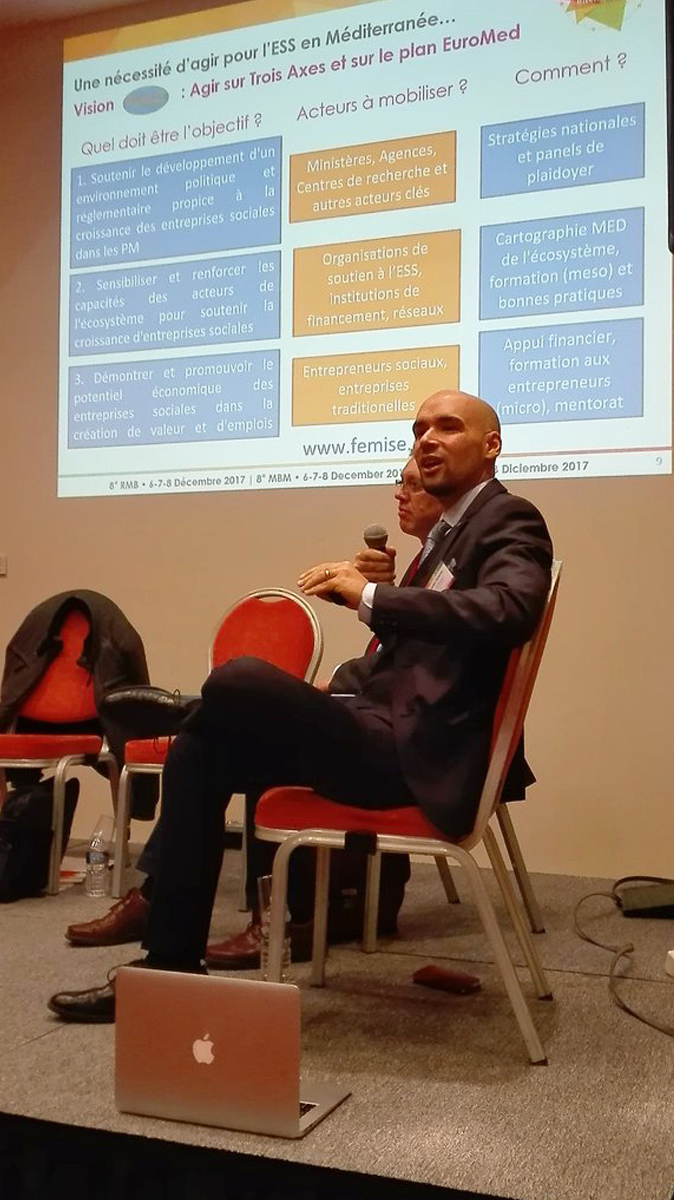
How can the Social and Solidarity Economy (SSE) contribute to supporting growth and employment in Mediterranean Partner Countries (MPs)? This is the question to which the presentation of Dr. Constantin Tsakas (General Manager of Institut de la Méditerranée, General Secretary of FEMISE) offered elements of response at the 8th Mont Blanc Meetings (RMB) (6-8 December 2017, Archamps, Greater Geneva), the International Summit of the Social and Solidarity Economy (ESS) organized by ESS International Forum (Permanent Co-Secretary of the International SSE Pilot Group, Observer Member ate the UN Inter-Agency Task Force on SSE).

Dr. Constantin Tsakas (Institut de la Méditerranée, FEMISE) (photo:RMB)

Dr. Tsakas presented the preliminary results of a chapter of the forthcoming FEMISE EuroMed 2018 report produced by Institut de la Méditerranée (IM) during a session on “Effective responses to sustainable impacts: social cohesion, solidarity and inclusion”.
Dr. Tsakas emphasized that SSE could become a tool for economic, financial and social innovation adapted to MPs. The latter are facing today many problems related to unemployment, lack of inclusiveness, the informal economy, limited growth… The SSE sets a frame of reference for rebuilding social ties around the economy, to better value resources and assets of territories and anchor development, to provide training and mobilize available skills in an entrepreneurial dynamic. The SSE allows for :

  • The mobilization of numerous young people, which are looking for a job and are progressively oriented towards entrepreneurship.
  • The establishment of a more inclusive economy because the SSE knows how to create jobs for vulnerable people that neither the State nor traditional companies can integrate.
  • Economic diversification and upgrading.

As civil society has understood, since the Arab Spring there has been an effervescence and increased emergence of SSE structures. Real success stories help meet the needs of the people …

In Morocco, which counts 15700 cooperatives (including 2287 women’s cooperatives) and 120 000 associations (with more than 15 million members), the value chains of SSE entreprises are made up of private sector companies: production cooperatives in the agricultural sector, crafts and / or fishing market their production in the private sector (local, regional, small and large retail markets).

In Egypt, initiatives are led by the private sector and have emerged to address the growing inability of governments and traditionnal private sector activities to meet the diverse needs of poor households for certain services and products.

In Tunisia, the country has nearly 20000 associations with more than 12 million members, half of whom have been created in the past five years under the impulse of the post-revolution civil society. The agriculture and fisheries sector is one of the sectors with the most SSE entreprises.

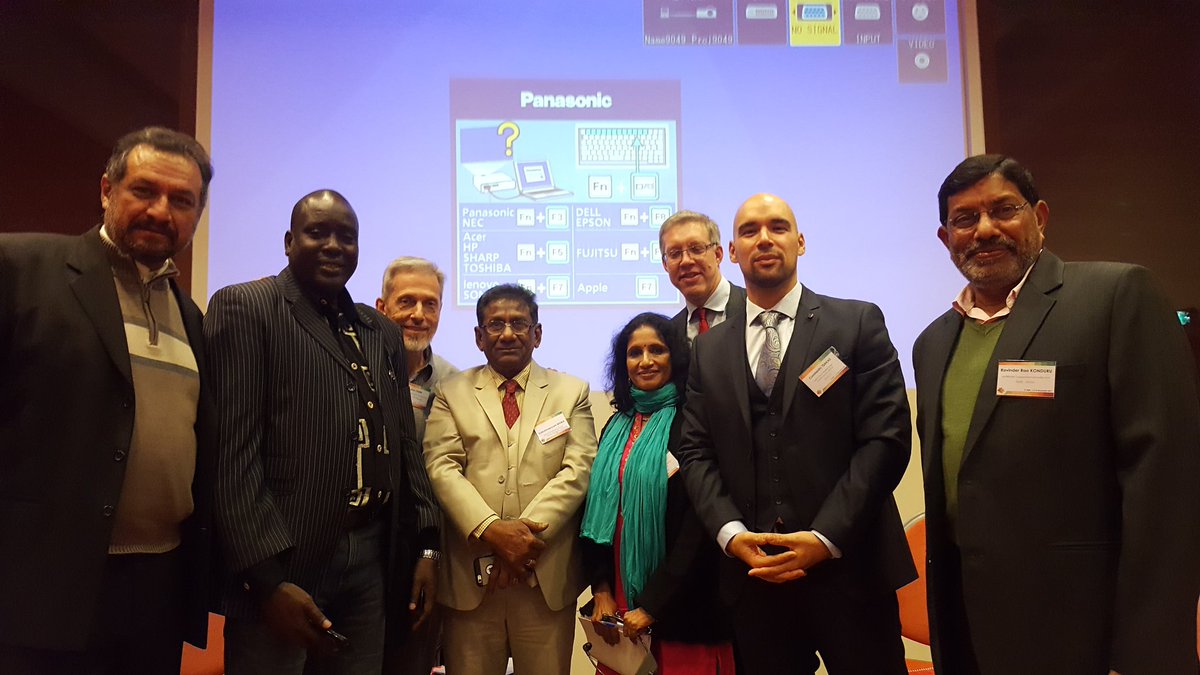
Panelists at session on “Effective responses to sustainable impacts: social cohesion, solidarity and inclusion” (photo :IM).

However, in general, the state does not sufficiently support the SSE in the South Mediterranean and does not create the necessary conditions for its sustainability. Dr. Tsakas emphasized that at the heart of the SSE dynamic lies the issue of project funding and resource mobilization. Preliminary results indicate that the financing of SSE enterprises must be a priority of concern for local, national and also EuroMed authorities. A “SSE finance” allowing access to liquidity and credit in relation to shared coordinated objectives is necessary. It would be appropriate for each MP to support, most notably through the establishment of an enabling regulatory framework, the emergence of “social”, “participatory” or “ethical” banks to channel funds to useful, sustainable and inclusive projects. It would also be wise to encourage SSE financing by microfinance institutions that have a developed territorial network. It would also be possible to innovate by proposing types of Social Impact Bonds (SIB), very popular in the Anglo-Saxon world, which make it possible to finance social programs (fair trade, social tourism, access to culture etc.) by private investors. The 2018 EuroMed report will suggest tools that can be supported by all local, national and international actors and which allow addressing the identified funding obstacles.

In conclusion, Dr. Tsakas emphasized the need to develop a strategy for the emergence of SSE ecosystems and social entrepreneurship on 3 axes (Macro-Meso-Micro). Dr. Tsakas provided an overview of FEMISE’s vision for the emergence of such ecosystems:

  • Support to the development of a policy and regulatory environment conducive to the growth of social enterprises through national strategies and advocacy panels.
  • Raising awareness and building the capacity of meso actors in the ecosystem to support the growth of social enterprises. MED mapping of these support actors, the generalization of training activities and the exchange of good practices would contribute to this process.
  • Finally, there is a need to better demonstrate and promote the economic potential of social enterprises in creating value and jobs in MPs. A true methodology that quantifies the social impact is needed here. The same is true for financial support for social entrepreneurship, for entrepreneurs training and for mentoring initiatives.

These and other issues will be developed in detail in the next FEMISE 2018 Report, which will focus on private sector development in the Mediterranean (Q1 2018).

The powerpoint presentation of Dr. Tsakas to the RMB is available by clicking here.

Prior to the publication of the FEMISE2018 EuroMed report coordinated by Pr. Patricia AUGIER (Pt of the Scientific Committee of IM and FEMISE, Coordinator of FEMISE), we also suggest some excerpts from interviews with three key actors of social entrepreneurship in the EU -MED.

You can also  revisit the FEMISE-EIB pilot study (2014) coordinated by IM on the potential of SSE inclusivity in Southern Mediterranean countries.

Follow us on Twitter by clicking here.

FEMISE and IM at COP23, BONN 2017

UPDATE 9/11/2017 (17h30)

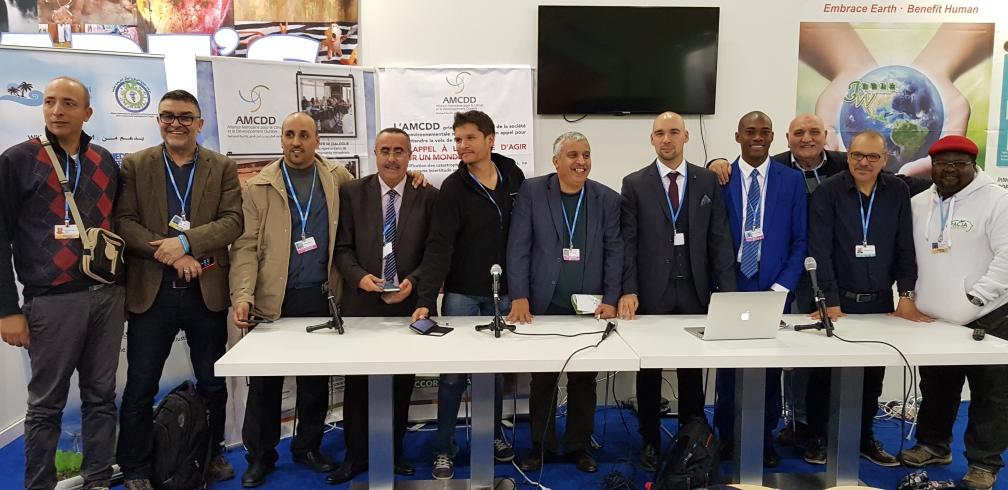
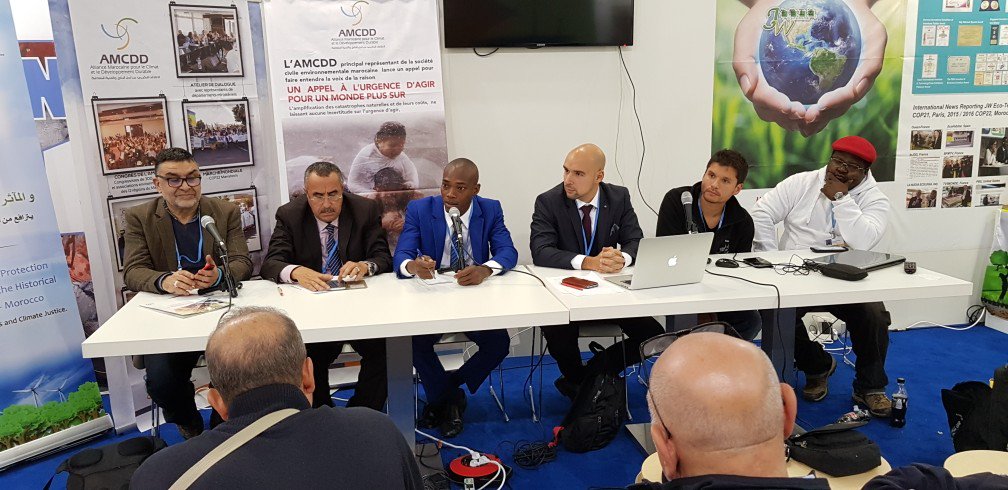
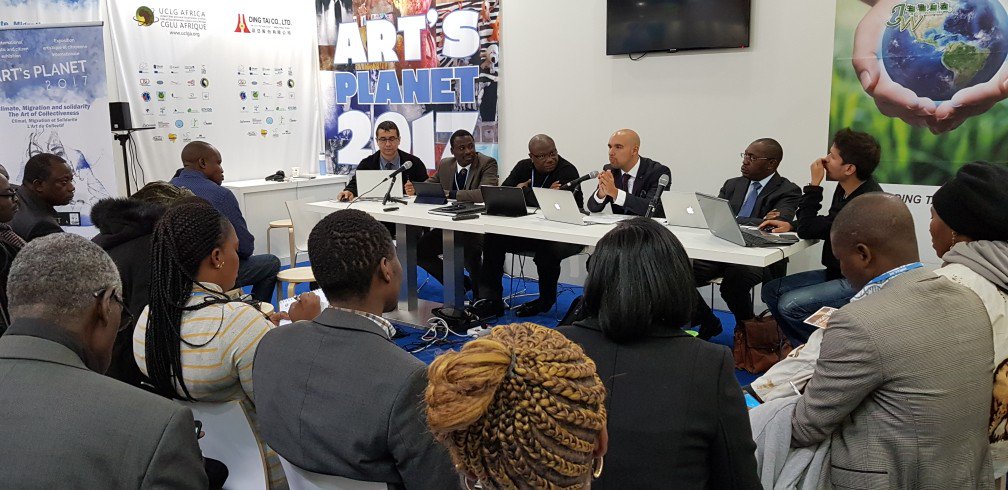
Panelists at Pavillon C06 (ENERGIES2050), Zone Bonn.

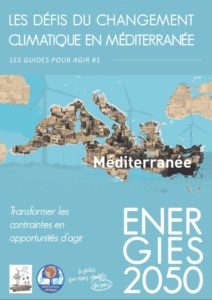
In the joint session at COP23, FEMISE and Institut de la Méditerranée (IM) presented the preliminary version of the report “The challenges of climate change in a Mediterranean in transition – From the Paris agreement to implementation” published with ENERGIES2050.

After a brief presentation of IM and FEMISE activities, Dr. Constantin Tsakas (General Manager of Institut de la Méditerranée, General Secretary of FEMISE) highlighted how the report is part of an ongoing dynamic between ENERGIES2050, FEMISE and IM. As part of their partnership, the three associations produce an annually-updated report on climate issues in the Mediterranean, putting into perspective the economic realities of countries of the South bank and suggesting courses of action and policy recommendations. Annual updates allow for the report to be evolutive, integrating the exchanges with the civil society, private and public actors. The idea being to i. produce research that is policy relevant and which can lead to concrete solutions and ii. foster an ecosystem of EU-Med actors associated with Climate Change concerns to have impact at the macro, meso and micro levels. The powerpoint presentation of Dr. Tsakas is available here.

Regarding the Paris agreement, fulfilling it requires countries to rapidly implement nationally determined contributions (NDCs), meet emissions reduction targets for 2020 and set future targets that are even more ambitious. Dr Tsakas stressed that this is far from a done deal for the South Mediterranean (MED) countries as a whole, where a lot remains to be done to formulate the many rules and prerequisite procedures and to specify more clear-cut means of implementation.

Asked on which Med countries are ahead, Dr Tsakas stressed that research show countries like Morocco to be considerably ahead in terms of policies and actions towards climate change. Countries such as Algeria, Tunisia and Palestine, also seem to be willing to take valiant measures for mitigation adaptation to climate change. Others, seem to be reforming mostly on paper or facing reluctance from domestic economic interests.

Replying to questions as to what governments could do more effectively, Dr Tsakas stressed that MED governments and stakeholders need to think about the various constraints on the effectiveness of the Paris Agreement, identify partners and practices that could complement the process more broadly. They should stop developing their strategies in isolation and take into account that several MED-specific programs and institutions are already present to help in implementing climate-change policies. Governments will need to better map their threatened regions, dress a long-term plan on climate change and actually apply it. However, solutions shall always be taken in an integrated manner, considering the economic and social reality of MED countries after the Arab Spring and the situation of workers in energy-intensive industries.

Dr Tsakas invited participants to provide feedback as to their respective countries positions on the environment and share their concerns which could then be included in the finalized version of the report. This being an evolutive and dynamic process, Dr Tsakas stressed that the finalized report will be presented during a launch event organized by Institut de la Méditerranée in partnership with ENERGIES 2050 and FEMISE in Marseille (France, end of Q1 2018). During this event a ENERGIES2050 report on Territorialization of Climate Change Agreements will also be presented. Presenting the two complementary reports at the Marseille workshop will allow initiating debates between academics, the civil society and policymakers at the local level to go towards concrete solutions.


UPDATE 9/11/2017 (12h30)

FEMISE and Institut de la Méditerranée were invited by United Cities and Local Governments of Africa (UCLGA) and ENERGIES 2050 Association as discussants to the Session “Issues and Opportunities for the Territorialization of Nationally Determined Contributions (NDCs) in Africa” (11H00 – 12H30 – PAVILION ENERGIES 2050 CGLUA AND DING TAI CO., LTD. – ZONE BONN).

In his speech, Dr. Constantin Tsakas (GM Institut de la Méditerranée, GS FEMISE) emphasized how the biodiversity of the Mediterranean and Africa is threatened by climate change. The increase in temperatures could lead to a decrease in tourist demand in coastal areas by almost 6% in some countries. Difficulties of access to water resources are also increasing in some territories. In addition, climate change would also affect local agriculture through its effect on crop yields.

Dr. Tsakas emphasized that territorialisation of climate agreements is necessary by setting the objectives of the agreements at the level of communities and territories. An attenuation component would help to control energy demand and reduce CO2 emissions. An adaptation component would reduce the vulnerability of the territory. There is a need to move towards policies that go beyond sectoral decompartmentalisation and which can involve more local and regional policy-makers, entrepreneurs and representatives of civil society. The ENERGIES2050-UCLGA Report on the Territorialization of NDCs could be an ideal springboard for initiating the debate.

This report is complementary to the ENERGIES2050-IM-FEMISE report on “The challenges of climate change in a Mediterranean in transition” presented in a future session. Both are part of a dynamic to allow the emergence of a real ecosystem on issues related to climate change.

8/11/2017

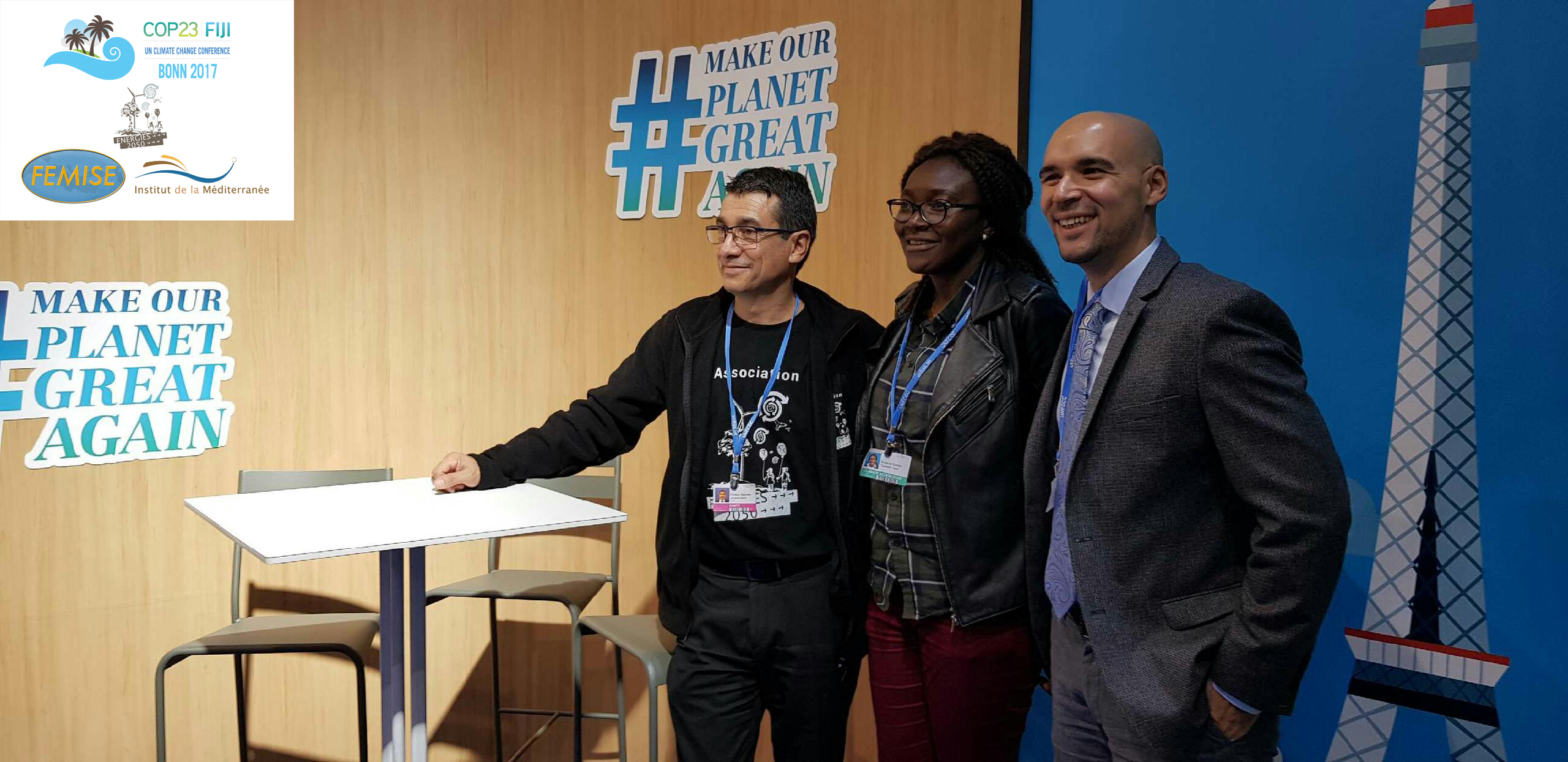
Stéphane Pouffary (ENERGIES2050), Gaelle Yomi (CGLU Afrique) and Constantin Tsakas (Institut de la Méditerranée and FEMISE)

FEMISE and IM were today’s special guest speakers at the FRANCE COP23 Pavilion (16h-17h), along with our partners ENERGIES2050 and CGLU Afrique. Many thanks to FRANCE Pavilion and our partners ENERGIES2050 for a constructing debate !

Now, join us tomorrow Thursday, November 9th, 13:00-14: 30, for the IM-FEMISE session at COP23 presenting the preliminary version of the report “The challenges of climate change in a Mediterranean in transition – From the Paris agreement to implementation” that we publish with ENERGIES2050 (last year’s edition here). The presentation will take place at Pavilion C06 (ENERGIES2050), Bonn Zone. Come join us!

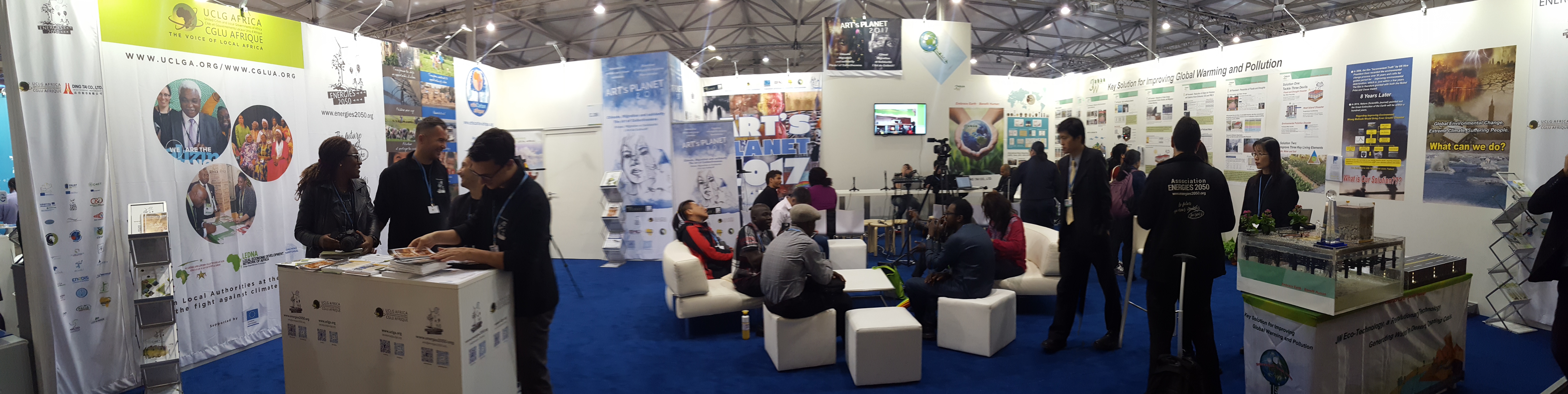
Pavillon C06 (ENERGIES2050), Zone Bonn.

For the pre-COP23 interview of Dr. Constantin Tsakas, click here.

Moreover, on the occasion of the COP23, we invite you to rediscover the FEMISE publications on the theme “Environment, energy, climate change” by clicking here.

Finally, we invite you to rediscover the MED2012 Report on Green Growth in the Mediterranean, a flagship report in which the experts from Institut de la Méditerranée and FEMISE participated. This report addressed the issue of how green growth can achieve sustainable development by enhancing the productivity of natural assets while preventing the negative social consequences of Environment degradation, notably in terms of the fundamental issue of employment.  It is available here.

The Challenges of Climate Change in the Mediterranean


Taking the environment into account in economic and political decisions, in particular considering the development of renewable energies, is a major challenge for the future of the world and of course for the Mediterranean.

Institut de la Méditerranée (IM) and FEMISE contributed by writing a chapter for the ENERGIES 2050 report on climate change in the Mediterranean which was presented at the COP22 in Marrakech on November 15th 2016.

The chapter in question is Chapter II « La région Sud-Med post-Printemps Arabes et les potentiels pour l’environnement » the main author being Dr. Constantin TSAKAS (General Manager of Institut de la Méditerranée, General Secretary of FEMISE) with contributions by Dr Maryse LOUIS (General Manager of FEMISE, Programs Manager ERF) and Dr. Abeer EL-SHINNAWY (FEMISE, American University in Cairo).

The report (in French) allows to carry out a more detailed analysis of key sustainable development issues in the Mediterranean basin and is available for download by clicking here.

The South Med Countries facing the environmental challenges

capture-decran-2016-11-17-a-11-02-58

By: Dr. Constantin TSAKAS, General Manager of Institut de la Méditerranée, General Secretary of FEMISE, and main author of the chapter on “The South-Med region post-Arab Spring and the economic potentials linked to the environment” of the ENERGIES2050 report[1] on” Challenges to Climate Change in the Mediterranean” released at the occasion of the international COP22 conference that took place in Marrakech on November 15th 2016.

Institut de la Méditerranée (IM) and FEMISE contributed by writing a chapter for the ENERGIES 2050 report on climate change in the Mediterranean which was presented at the COP22 in Marrakech on November 15th 2016. This article presents some of the chapters’ findings.

The report (in French) is available for download by clicking here.


Some progress, but opportunities still to be grasped…

Taking the environment into account in economic and political decisions, in particular considering the development of renewable energies, is a major challenge for the future of the world and of course for the Mediterranean.

tsakas-environment-r

Dr. Constantin TSAKAS (GM Institut de la Méditerranée, GS FEMISE)

The South Mediterranean countries have made some progress in terms of Energy Efficiency (EE) and renewable energies (RE) but many opportunities are still to be captured in order to catch up with the rest of the world. In the mid-2000s, the share of RE (hydro, wind, solar, geothermal) in primary energy consumption was already well below the threshold required to achieve the objectives of the Mediterranean Strategy for Sustainable Development (MSSD) (the hope was to reach 7% by 2015).

Unfortunately, between 2000 and 2014, an annual growth in primary energy intensity for MPs such as Egypt (+ 0.8%), Algeria (+ 0.9%) and Libya (+2,6%) was recorded, suggesting that these economies remain increasingly energy-intensive relative to their level of GDP. However, countries such as Jordan (-1.4%) and Lebanon (-1.5%) seem to be better off, approaching the EU’s performance in terms of Energy intensity.

The Arab Spring and what it means for the region’s environmental progress

The Arab Spring created new challenges that the region has to face, which meant that the promotion of the environment and renewable energies had dropped a few places in these countries’ priority agenda. Despite this, renewable energies remain a rather stable sector for investment in the region and have not considerably weakened following the revolutions. Between 2006 and 2015, estimates show that the region represents € 7.3 billion in FDI for a total of 144 projects (as recorded by the ANIMA-MIPO observatory) for an average project size of € 50.7 million. Despite such stability these figures are still low, especially considering that Tunisia’s GDP alone accounts for US $ 47 billion in 2013.

It should be noted, however, that the year 2015 was one of the most important in recent years in terms of FDI-projects announced. This is mainly due to major initiatives by firms from the United Arab Emirates and Europe, which are relaunching projects of several hundred million euros, notably in photovoltaics and wind power, most particularly in Egypt.

The Green Economy in the Southern Mediterranean

The green economy can produce significant economic impacts in terms of production (direct and induced) and job creation. For example, a FEMISE (2013) study estimated that a CSP (Concentrated Solar Plants) industry in Morocco could have an overall impact on Moroccan GDP of 1.27% to 1.77% by 2050, creating more than 200,000 jobs.

But many barriers persist, notably regarding the lack of international or local financial resources, combined with a high-risk premium. In addition, political barriers are significant and the lack / instability of the fiscal and legislative framework for the development of CSPs is still being felt.

Ways forward and recommendations for the South Med

Governments of the South Med countries should consider becoming true partners that co-construct the ecological interest based on local actors, paving the way for a green economy. Multiplying territorial agreements between the State and local territories on actions that promote sustainable development would give an impetus that allows consolidating a framework of multilevel governance.

logo-cop22-919x650In addition, the State could be more supportive of environmentally sustainable projects that meet the real needs of territories that present environmental risks. Territorial diagnoses would be necessary to make territories an “axis of a reorientation of the economy towards local sustainable development”. These diagnoses could lead to territorial recovery pacts that unite all actors that participate in the sustainable development of territories / regions.

In addition to these policy recommendations, it bodes down to having an orientation that allows exploiting opportunities in the private sector. These opportunities are not limited to a particular sector, but manufacturing, finance and insurance, construction and professional, scientific and technical activities can clearly benefit.

Finally, MPs should exploit their strengths in terms of EE and RE, such as high solar potential (irradiation), low costs of unskilled labor, an emerging local industry and the fact that for Europe the development of the green economy in the Mediterranean (eg the solar industry) would be a true value added.

 [1] ENERGIES2050 is a french association based in Nice (France). It seeks, in particular, to promote and encourage containing energy demand: energy saving, energy efficiency and the development of renewable energies. FEMISE and Institut de la Méditerranée have partnered with this important partner in the field of climate change to have an additional channel to contribute in meeting the challenges the EuroMed region is facing and reaching out to policy-makers.